No thumbnail

Insights into Non-Antibiotic Alternative and Emerging Control Strategies for Chicken Coccidiosis

23 Source: MDPI Animals January 27th, 2026 Article
This review summarizes the current evidence of approaches ranging from phytochemicals to botanicals, nutritional and mineral modulators, microbiome-directed biotics and metabolites, immunological effectors, nanodelivery systems and omics-guided platforms. Collectively, these strategies intervene at multiple biological nodes, from a direct parasitic effect at different developmental stages of the parasite to preserving mucosal architecture and modulating host immunity, reprogramming gut microbial ecology and improving metabolic resilience during infection.
Read more
Root cutters: perennial weed control with a low risk of soil erosion and nutrient leaching

Root cutters: perennial weed control with a low risk of soil erosion and nutrient leaching

21 Source: Agronomy for Sustainable Agriculture January 21st, 2026 Article
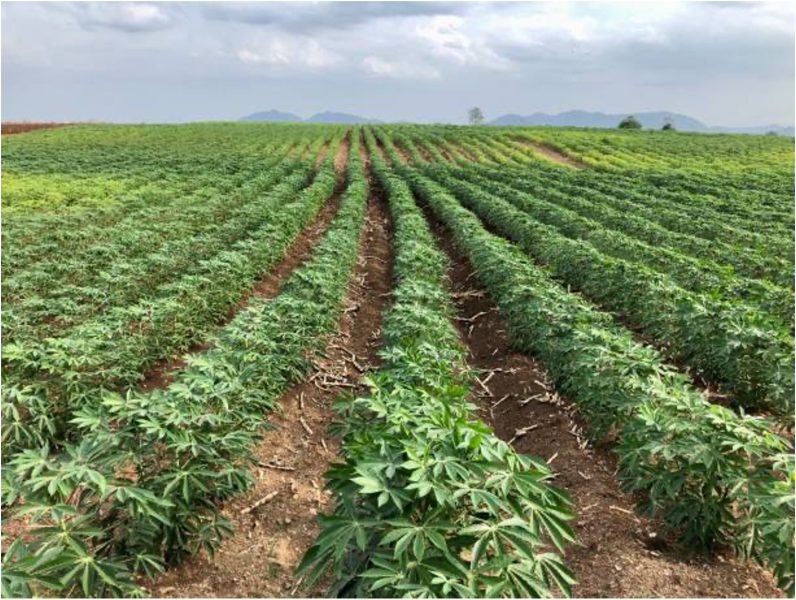
The more intensive tillage methods tested (rotary tiller, disc harrow, stubble harrow) did not provide significantly better perennial weed control than the horizontal root cutter. Treatments with the vertical root cutter had 40% less E. repens and 22% less S. arvensis shoot biomass than treatments without the vertical root cutter.
Read more
Can regenerative agriculture deliver nutritious food and a just food system?

Can regenerative agriculture deliver nutritious food and a just food system?

18 Source: TABLE January 21st, 2026 Article
This report, funded by the Agile Initiative, presents insights from a year of engagement with UK food system stakeholders and experts to unpick the ambiguity of Regenerative Agriculture (Regen Ag). It considers if, how, and to what extent Regen Ag could support the pursuit of local, national and international goals for the UK food system, and what policy interventions might facilitate this role and help to avoid the potential pitfalls associated with this contested concept.
Read more
Calf housing research reveals positive health and business outcomes

Calf housing research reveals positive health and business outcomes

17 January 21st, 2026 Article
Livestock environment specialist, Galebreaker and Scotland’s Rural College (SRUC) have released insights from their two-year research project, CEVEC (Cost Effective Ventilated Environment for Calves).  Focused on enhancing calf outcomes, the project shows daily live weight gains of up to 150g for youngstock housed in the purpose-built calf rearing shed at High Skeog Farm in Dumfries and Galloway. 
Read more
RSPCA unveils new standards to ‘give cows more time at pasture’

RSPCA unveils new standards to ‘give cows more time at pasture’

15 January 21st, 2026 Article
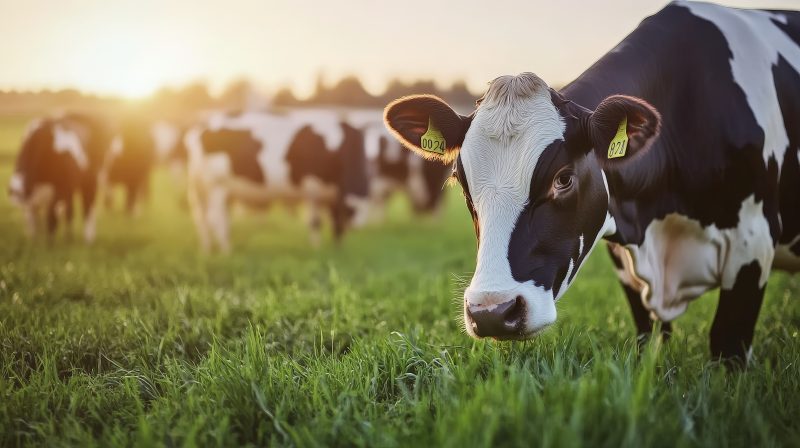
Updated standards aim to give cattle more space, additional pasture access, and better welfare at every stage of life. The new revised standards will come into effect from April 20, 2026 and are designed to support better welfare outcomes, while remaining practical for farms to deliver. They feature a wide range of improvements based on best practice and the latest science and advice from vets, farmers, and welfare experts.
Read more
No thumbnail

Eating insects: A sustainable solution or an overhyped idea?

14 January 20th, 2026 Article
Faced with exploding global demand for protein and the growing environmental impact of animal farming, insects are emerging as an attractive alternative: they are rich in nutrients, resource-efficient and have already been tested by researchers, businesses and chefs. But behind all the hype, one question remains: is eating insects really a sustainable and safe solution for feeding the planet?
Read more
How do native and commercial sheep breeds compare when grazing on different types of forage in the Yorkshire Dales

How do native and commercial sheep breeds compare when grazing on different types of forage in the Yorkshire Dales

12 January 13th, 2026 Article
Tests have been carried out to establish the levels of methane being emitted by sheep living off a natural forage diet in the Yorkshire Dales National Park. The Forage for CH4nge project – funded by Innovate UK – is bringing together farmers and scientists to better understand how traditional breeds and different pastures can help reduce the environmental impact of sheep farming.
Read more