109. Defining the Problem Is the Problem: Policy Participation and the Future of Our Agri-food System

109. Defining the Problem Is the Problem: Policy Participation and the Future of Our Agri-food System

Article March 25th, 2026
Drawing on insights from systems thinking, this Nuffield Farming Scholarship report proposes a participatory approach to support more inclusive and context-sensitive policy development. Rather than offering a singular solution such as a wholesale transition to agroecology, it argues that by encouraging a diversity of perspectives, valuing lived experience, recognising different forms of knowledge, the policy process could support incremental yet cumulative change across the agrifood system even in the absence of complete consensus.
Read more
108. Perennial Flower Strips Can Be a Cost-Effective Tool for Pest Suppression in Orchards

108. Perennial Flower Strips Can Be a Cost-Effective Tool for Pest Suppression in Orchards

Article March 25th, 2026
Through reduction of D. plantaginea fruit damage alone, our study shows that flower strips on the headland can be a positive financial investment. If non-crop land was not available, establishment of a flower strip in the centre of an orchard, instead of the edge, could recoup opportunity costs by providing benefits to crops on both sides of the flower strip. Our study can help guide the optimal placement of flower strips and inform subsidy value for these schemes.
Read more
107. Plantain (Plantago lanceolata) from weed to multi-functional component in sustainable dairy-farm systems

107. Plantain (Plantago lanceolata) from weed to multi-functional component in sustainable dairy-farm systems

Article March 25th, 2026
ncluding plantain in perennial ryegrass/white clover pasture appears to be a low-cost option to reduce N leaching and nitrous oxide emission, without any substantive negative effects on pasture production, animal production, milk quality and animal health. On the contrary, under certain situations various positive effects of plantain on all these factors have been observed.
Read more
102. Optimizing manure and slurry application from intensive dairy farming operations

102. Optimizing manure and slurry application from intensive dairy farming operations

Article March 25th, 2026
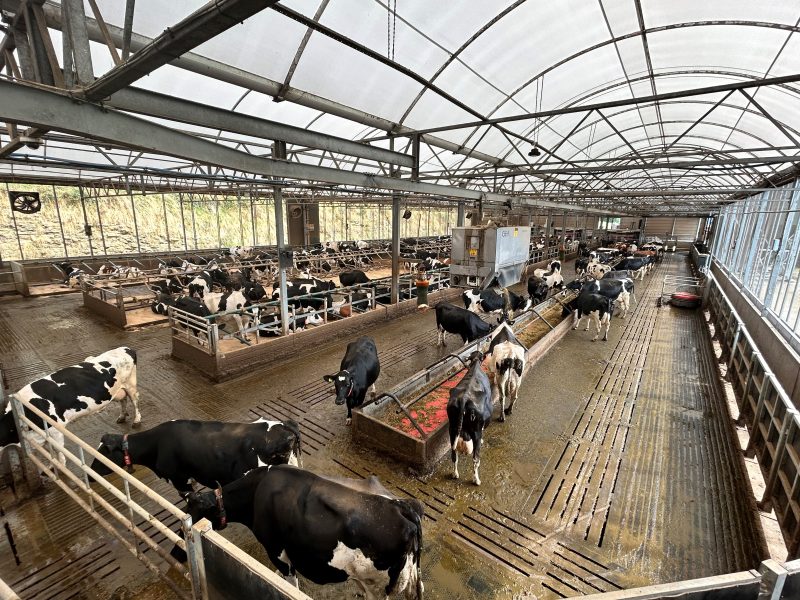
Feed self-sufficiency and land conservation are important, and interrelated, aspirations because they lead to better cropping and feeding practices which, in turn, improve the production efficiency of dairy crops, animals, and farms. With the staggering complexity and demands of modern dairy farming, it is difficult for farmers to unravel the manure conundrum. This will require a community effort, where resources, knowledge, and expertise can be shared and advanced.
Read more
101. Regenerative Agriculture in Khyber Pakhtunkhwa: A Practical Path Forward

101. Regenerative Agriculture in Khyber Pakhtunkhwa: A Practical Path Forward

Article March 25th, 2026
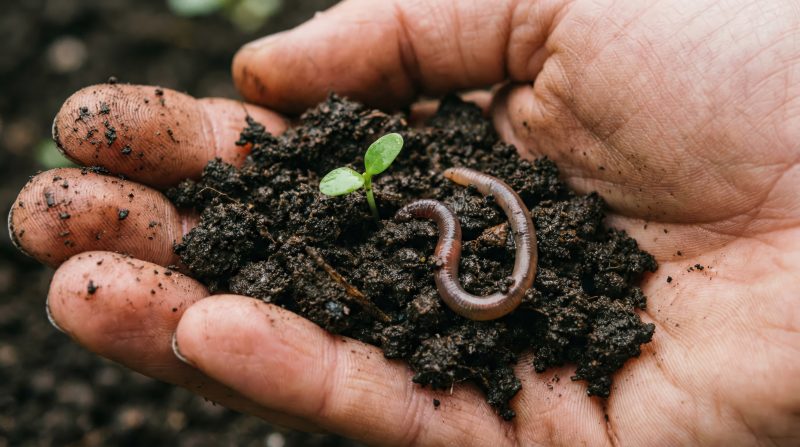
Agriculture in Khyber Pakhtunkhwa plays a central role in livelihoods and food security. The province’s unique geography, dominated by mountains and valleys, creates both opportunities and challenges for farmers. Soil erosion, water loss, and climate variability are increasing concerns. Regenerative agriculture offers a practical way to improve productivity while restoring natural resources.
Read more