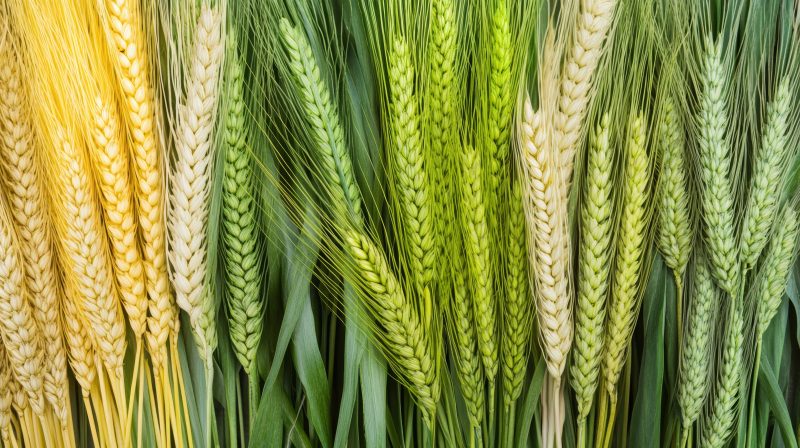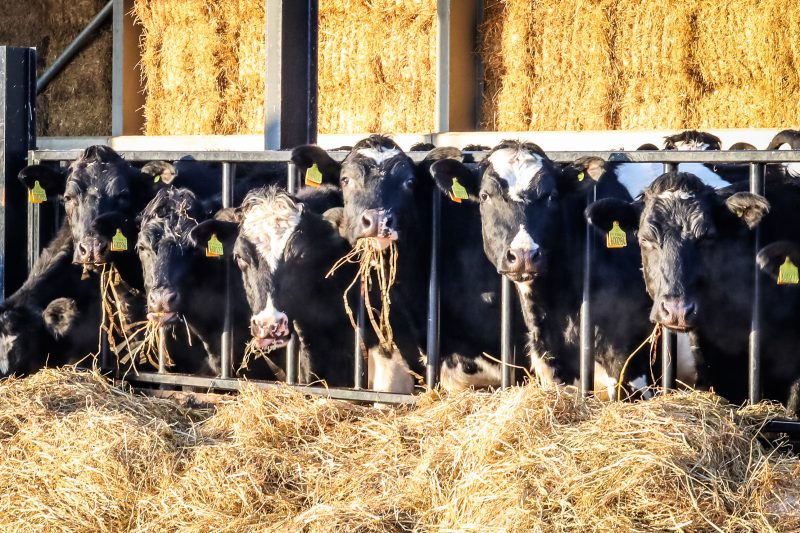

130. Triple gains: More production, less nitrogen and greater diversity from cropland reallocation in England and Wales

130. Triple gains: More production, less nitrogen and greater diversity from cropland reallocation in England and Wales

Article April 8th, 2026
The median cropland diversity increases by approximately 0.24 species per farm in both reallocation scenarios. Our results suggest that farmers can simultaneously improve economic and environmental performance, which would increase crop diversity. Effective policies should address barriers to diversification and foster management practices that both increase production and decrease nitrogen balances.
Read more
126. Breeding for high-carbon crops to achieve dual purposes of food security and carbon neutrality

126. Breeding for high-carbon crops to achieve dual purposes of food security and carbon neutrality

Article April 8th, 2026
While shoot biomass contributes to soil organic carbon (SOC) accumulation when residues are retained, empirical evidence highlights the crucial role of root traits in long-term carbon stabilization. At a given level of carbon input, breeding for deeper roots, enhanced exudation, and more recalcitrant biochemical composition can substantially improve the efficiency of SOC accumulation.
Read more
124. Oregano, rosemary and ‘time’: Long-term swine study shows natural-compound benefits

124. Oregano, rosemary and ‘time’: Long-term swine study shows natural-compound benefits

Article April 8th, 2026
In a rare long-term public study that compared the effects of phytochemicals from rosemary and oregano with antibiotic growth promoters, animal scientists with the Arkansas Agricultural Experiment Station, the research arm of the University of Arkansas System Division of Agriculture, found that the natural agents given to weaned pigs supported favourable gut health and growth performance later in their lives by preserving microbial diversity to improve nutrient utilization.
Read more
123. Researchers warn of risks posed by ‘contaminants of emerging concern’ found in crops, agricultural soil

123. Researchers warn of risks posed by ‘contaminants of emerging concern’ found in crops, agricultural soil

Article April 8th, 2026
A new international study offers insights into the health risks posed by crops' absorption of "contaminants of emerging concern" (CECs) and flags knowledge gaps the authors say must be addressed. CECs include pharmaceuticals, microplastics, engineered nanomaterials and PFAS (commonly known as "forever chemicals"). The researchers warn that even when present at very low concentrations, these chemicals can subtly alter plant physiology, disrupt soil health and pose wider environmental and human health risks.
Read more
122. Law Commission publishes agricultural law scoping report for Wales

122. Law Commission publishes agricultural law scoping report for Wales

Article April 1st, 2026
In February 2026, the Law Commission published a scoping report on agricultural law in Wales. The scoping report examines a potential code of agricultural law in Wales and marks a significant milestone in the wider initiative to codify the law in Wales. This article briefly explores the scoping report’s key findings, the Law Commission’s rationale for a potential code of agricultural law for Wales and implications for practitioners.
Read more