26. Undersowing rare arable plants in cereals as a new instrument in weed management – Restoration ecology meets weed science

26. Undersowing rare arable plants in cereals as a new instrument in weed management – Restoration ecology meets weed science

Article January 27th, 2026
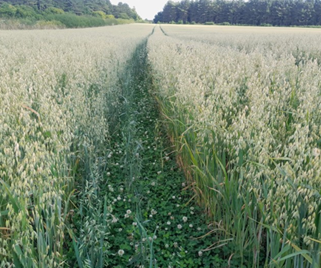
The establishment of rare arable plants in spring barley suppressed common weeds and reduced their coverage. This led us to the assumption of a natural weed suppression that can be considered for biodiversity-enhancing approaches in weed management. For weed management, we recommend seeding mixtures of RAP, whereas topsoil translocation requires further investigation to ensure optimal application.
Read more
24. Review: Sustainable Ruminant Production: Circular Systems, Nutrition, and Methane Mitigation

24. Review: Sustainable Ruminant Production: Circular Systems, Nutrition, and Methane Mitigation

Article January 27th, 2026
Circular bioeconomy can improve ruminant sustainability, but needs systemic change. Precision feeding and the use of food waste can lower methane and waste impacts. Feed additives and gene editing provide potential tools to lower enteric methane. Life cycle assessment and modeling quantify trade-offs and co-benefits. Policies and finance should enable adoption, especially in low-income regions.
Read more
23. Insights into Non-Antibiotic Alternative and Emerging Control Strategies for Chicken Coccidiosis

23. Insights into Non-Antibiotic Alternative and Emerging Control Strategies for Chicken Coccidiosis

Article January 27th, 2026
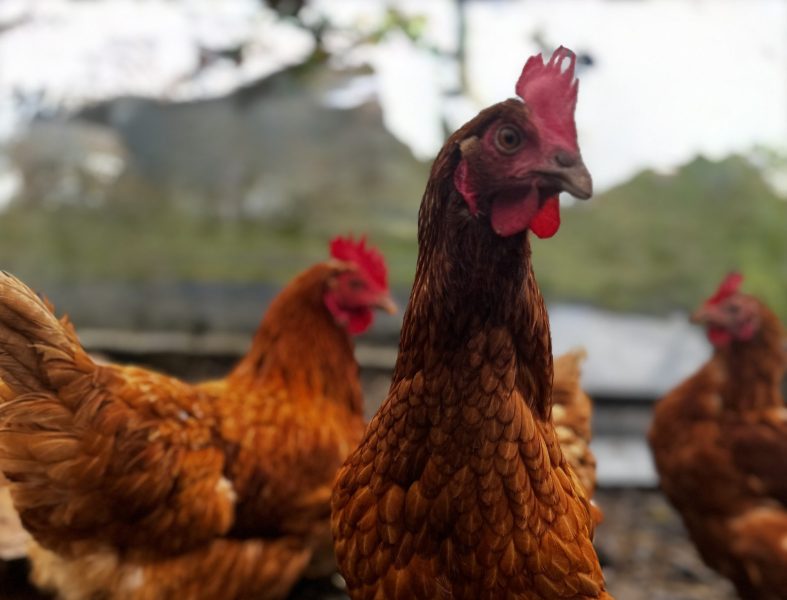
This review summarizes the current evidence of approaches ranging from phytochemicals to botanicals, nutritional and mineral modulators, microbiome-directed biotics and metabolites, immunological effectors, nanodelivery systems and omics-guided platforms. Collectively, these strategies intervene at multiple biological nodes, from a direct parasitic effect at different developmental stages of the parasite to preserving mucosal architecture and modulating host immunity, reprogramming gut microbial ecology and improving metabolic resilience during infection.
Read more
18. Can regenerative agriculture deliver nutritious food and a just food system?

18. Can regenerative agriculture deliver nutritious food and a just food system?

Article January 21st, 2026
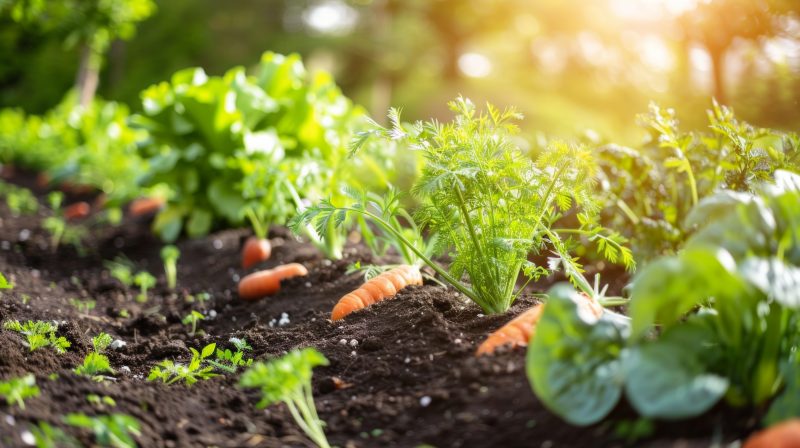
This report, funded by the Agile Initiative, presents insights from a year of engagement with UK food system stakeholders and experts to unpick the ambiguity of Regenerative Agriculture (Regen Ag). It considers if, how, and to what extent Regen Ag could support the pursuit of local, national and international goals for the UK food system, and what policy interventions might facilitate this role and help to avoid the potential pitfalls associated with this contested concept.
Read more
17. Calf housing research reveals positive health and business outcomes

17. Calf housing research reveals positive health and business outcomes

Article January 21st, 2026
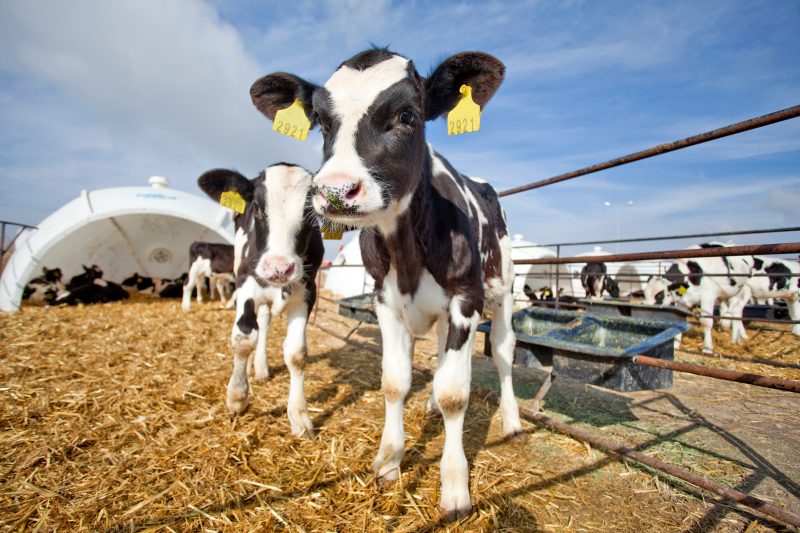
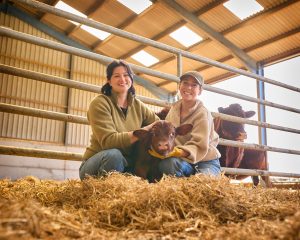
Livestock environment specialist, Galebreaker and Scotland’s Rural College (SRUC) have released insights from their two-year research project, CEVEC (Cost Effective Ventilated Environment for Calves).  Focused on enhancing calf outcomes, the project shows daily live weight gains of up to 150g for youngstock housed in the purpose-built calf rearing shed at High Skeog Farm in Dumfries and Galloway. 
Read more