85. A 10-year experimental study in France shows the potential of pesticide-free agricultural production

85. A 10-year experimental study in France shows the potential of pesticide-free agricultural production

Article March 11th, 2026
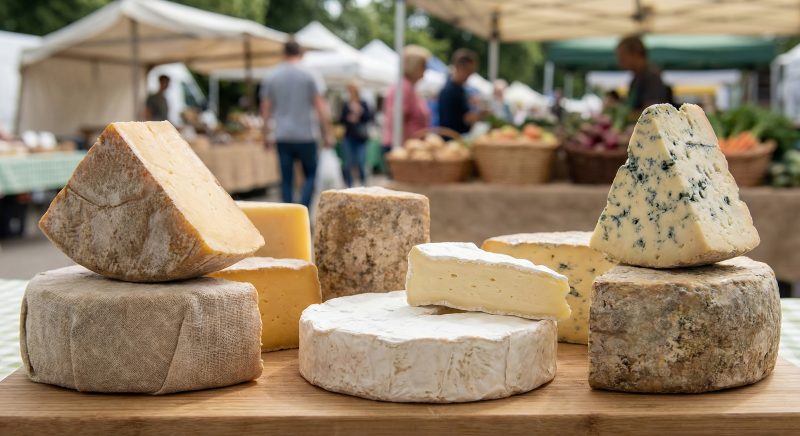
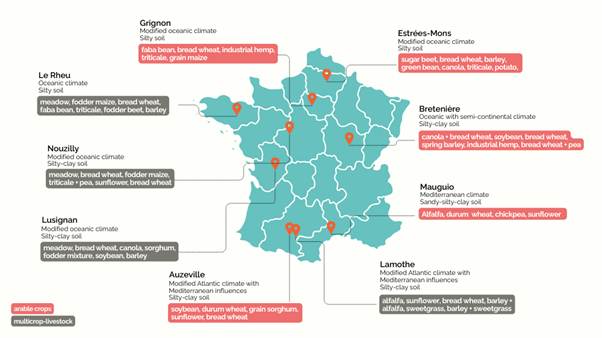
Growing crops without pesticides is technically and economically feasible under certain conditions. Creating such production systems involves diversifying crop rotations, developing appropriate marketing channels, and determining the economic value of the products from these systems. These are the findings of a study in France on nine cropping systems (agronomic crops and multicrop-livestock systems) designed in conjunction with extension specialists and farmers.
Read more
79. Protein Sources for Ruminant Feed: A Systematic Review of Nutritional Value and Sustainability

79. Protein Sources for Ruminant Feed: A Systematic Review of Nutritional Value and Sustainability

Article March 4th, 2026
Results indicate that microalgae, insects, and single-cell proteins exhibit crude protein levels comparable to soybean meal. Moreover, insects, seaweeds, and animal by-products (ABPs) often present superior essential amino acid profiles and high intestinal digestibility. From an environmental perspective, insects, seaweeds and microalgae offer excellent land-use efficiency and significant enteric methane mitigation (17–74.6%), though current economic viability is hindered by high processing costs and emerging supply chains.
Read more
76. Should the fines levied on water companies be used to fund the Environment Agency?

76. Should the fines levied on water companies be used to fund the Environment Agency?

Article March 4th, 2026
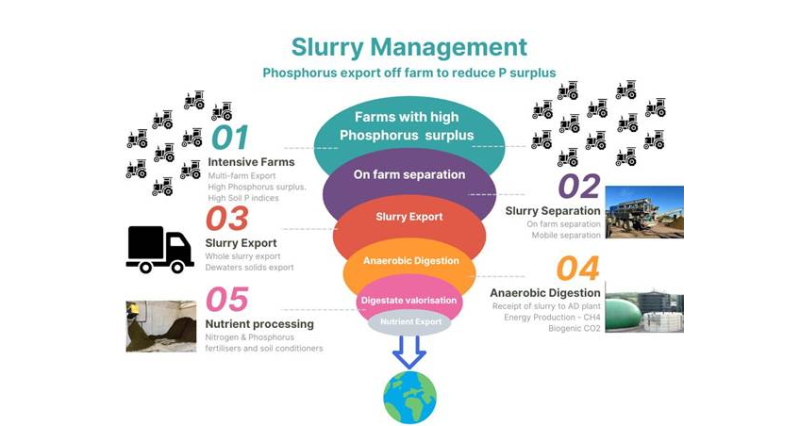
This paper is an assignment submitted to De Montfort University in partial fulfilment of the requirements for the degree of LLM in Environmental Law by Andrew Brown. It asks whether, despite the much higher levels of fines on water companies for environmental offences imposed[NP1]  recently, there remains an unacceptably [NP2] low level of compliance with the regulations. What can be done?
Read more