
12. How do native and commercial sheep breeds compare when grazing on different types of forage in the Yorkshire Dales

12. How do native and commercial sheep breeds compare when grazing on different types of forage in the Yorkshire Dales

Article January 13th, 2026
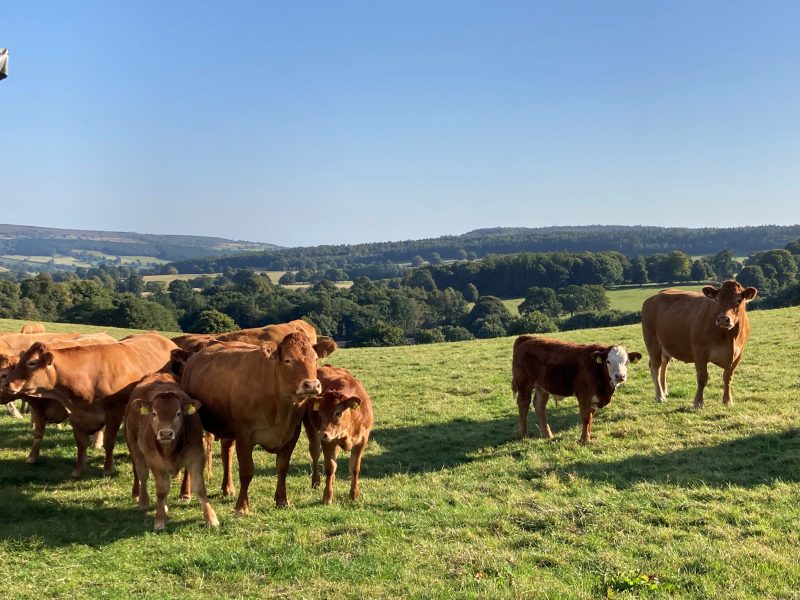
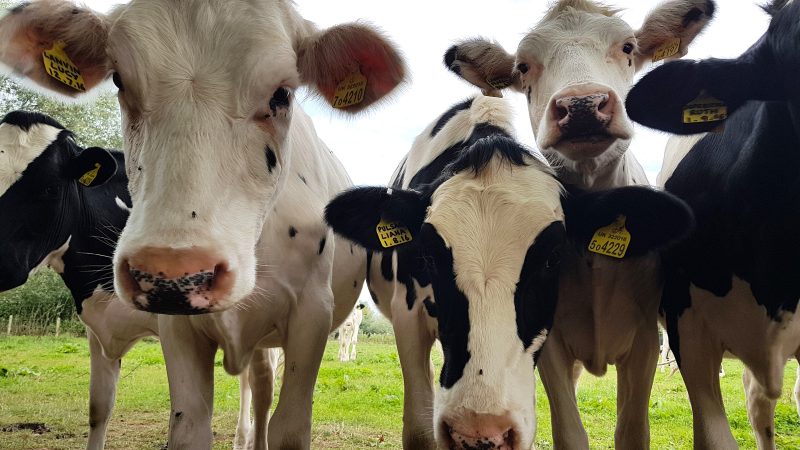
Tests have been carried out to establish the levels of methane being emitted by sheep living off a natural forage diet in the Yorkshire Dales National Park. The Forage for CH4nge project – funded by Innovate UK – is bringing together farmers and scientists to better understand how traditional breeds and different pastures can help reduce the environmental impact of sheep farming.
Read more
6. The Rise of the Data-Driven Young Farmer — And What It Means for the UK

6. The Rise of the Data-Driven Young Farmer — And What It Means for the UK

Article January 6th, 2026
There’s a subtle but sure revolution happening across the British countryside, and you won’t spot it in a headline or an annual review — you’ll see it in the cab of a tractor. There’s a younger farmer at the helm, phone in hand, flipping between yield maps, WhatsApp groups and weather radars while the tractor glides along neatly on auto-steer. It’s subtle, almost unassuming, but it’s exactly the kind of shift that changes everything. Because these younger digital-minded farmers aren’t just farming differently — they’re thinking differently. And that mindset is transforming how data is used across UK agriculture.
Read more
3. An economic, environmental, and social analysis of autonomous mechanical weeding in sugar beet farming

3. An economic, environmental, and social analysis of autonomous mechanical weeding in sugar beet farming

Article January 6th, 2026
On both organic and conventional farms, autonomous mechanical weeding used more skilled labour due to routine supervision, field-to-field transport, and human intervention requirements. Higher skilled labor time with robotics negatively affected farmers’ work–life balance. Investment cost, supervision and human intervention requirements, technology specialization, and logistics of field operations were identified as the main barriers to adoption of the tested weeding robot.
Read more