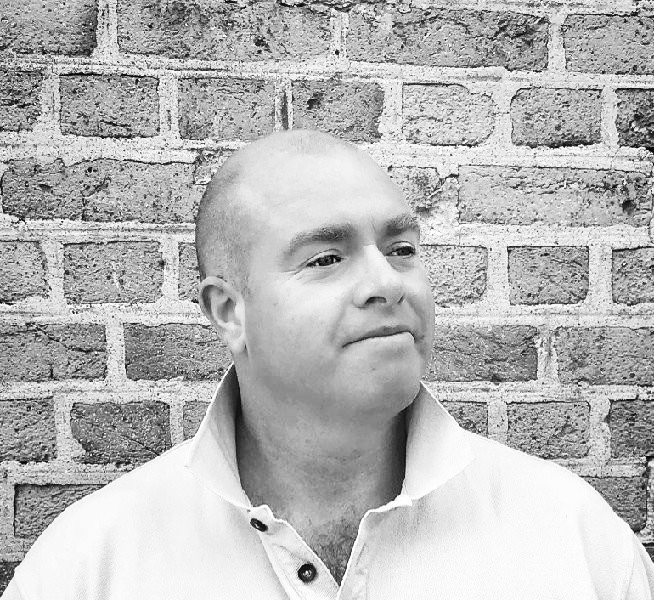
Alex Carson-Taylor FRGS FPSAg CEnv MCIEx CITA
Alex Carson-Taylor & Co
Alex Carson-Taylor & Co
I am principal of Alex Carson-Taylor & Co (www.alexcarsontaylor.co.uk), an independent international trade, development and investment practice focused on the agri-food chain and natural resources. We operate at the nexus of policy, regulation, international business and government – providing strategic advisory services to help understand and manage complex change. Our scope of activity is wide-ranging and includes geopolitical insights, risk management, cross-border trade facilitation, agri-trade policy analysis, bespoke research and scenario testing.
In addition to my practice work, I am a former Specialist Adviser on international trade and agriculture to the Efra Select Committee in the UK House of Commons and served as Chair of the Agricultural Law Association for six years. I currently Chair the Shropshire Hills National Landscape Partnership.
In an increasingly complex environment membership of the Society provides an important indicator of commitment to professionalism for clients in the UK and overseas.
The Society is useful for meeting a wide range of knowledgeable members from all areas of the industry and developing long-lasting professional relationships.
We are committed to on-going development and growth of the practice, ensuring that we remain at the forefront of our areas of expertise and continue to be regarded as trusted, agile partners across the supply chain.
Continuing to build closer links with contacts across the industry to ensure awareness of new developments and that horizons remain broad.
As a Fellow Practitioner and Chartered Environmentalist, CPD provides additional opportunities to maintain an in-depth contemporary knowledge of the sector.
As often as possible but unfortunately not as much as I should like – there are excellent and very relevant regional and national events.
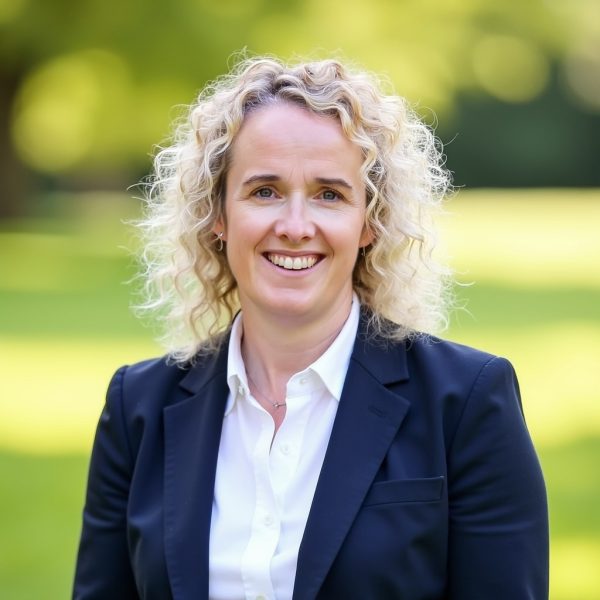
Cara Wales
Wendy Jenkins is a director and founding member of CARA Wales Ltd, a firm of agricultural and business consultants based in West Wales. Wendy has extensive experience in providing all aspects of business management advice to farmers including analysing business performance, benchmarking and discussing future options. CARA Wales was formed in 2005, and has developed into one main agricultural consultancy businesses in Wales.
I have always believed strongly in the value of professional organisations that bring people together to share knowledge and experience within the agricultural sector. Having previously served as Chairman of the British Institute of Agricultural Consultants, I saw first-hand how important those networks are for supporting advisers and the farmers they work with.
Following the merger of BIAC into the Society of Agriculture in January 2026, becoming a trustee felt like a natural next step. It gives me the opportunity to continue supporting the profession and to help ensure that the experience and expertise built within BIAC remain part of a wider, strong organisation serving agriculture.
My background in agricultural consultancy brings a practical, on-the-ground perspective to the Board. Working closely with farmers and rural businesses provides insight into the real challenges facing the sector, from farm profitability and policy change to sustainability and long-term land management.
One key priority is to build on the opportunities created by the recent merger and ensure that the Society of Agriculture continues to be a respected forum for knowledge, professional standards and collaboration across the sector.
Agriculture is undergoing significant change, whether through policy reform, environmental expectations, technological development or market pressures. The Society has an important role in bringing together farmers, advisers and other professionals to share knowledge, encourage innovation and support informed decision-making for the future of agriculture.
I would simply encourage members to stay engaged and make the most of the opportunities the Society provides. One of the great strengths of the Society of Agriculture is the breadth of experience and expertise among its members.
By continuing to share knowledge and take part in the Society’s activities, we can ensure it remains a valuable forum for discussion and learning, and a positive influence within the wider agricultural sector.
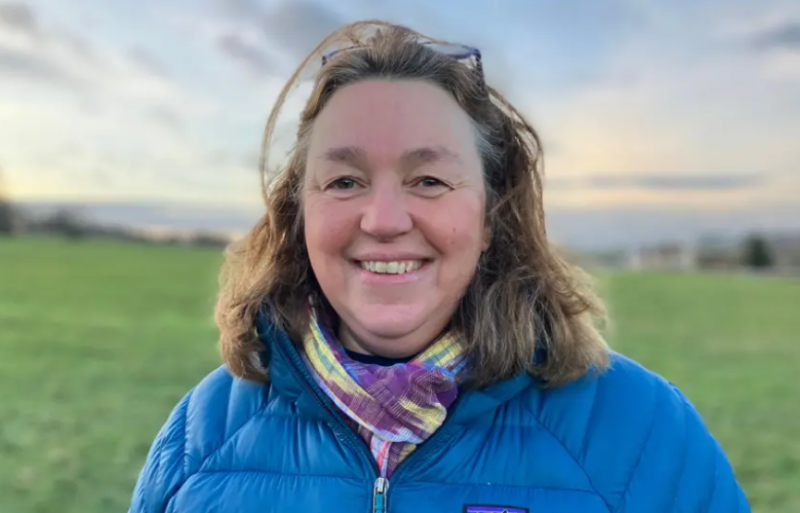
Royal Agricultural University
Professor Nicola Cannon is Professor of Agriculture at the Royal Agricultural University, where she is involved in teaching, research, and policy engagement in sustainable farming systems. She holds a BSc in Agriculture from the University of London, a PhD in Plant Sciences from the University of Reading, and a PGCAP in Higher Education from The Open University.
Her career spans research, consultancy and senior academic leadership. She has served as Interim Dean at Qingdao Agricultural University in China and Deputy Rector at the International Agriculture University in Uzbekistan. Earlier roles included Research Officer in precision farming at Cranfield University, farm adviser and company director with East Anglia Food Link, and Technical Expert for the United Kingdom Accreditation Service.
Professor Cannon’s research focuses on sustainable cropping systems, soil health, nutrient efficiency and regenerative agriculture. Recent projects include evaluating war damage to farmland in Ukraine, developing urine-based fertilizers, advancing UK-grown soya, and contributing to the Farm Soil Carbon Code.
A Fellow of the Royal Agricultural Societies and recipient of the Nuffield Farming Scholarship, she is also a Senior Fellow of the Higher Education Academy and recipient of the Farmers Club Agricultural Educators Award. She has a wide range of external roles including the Expert Group for Organic Production (EGOP) for DEFRA, vice chair of Burford Farming Club and co-ordinator of Cotswold Arable Study Group. Previously she has co-ordinated and run HRH Prince of Wales Food and Farming Summer School and worked with celebrity chefs on a range of projects.
The society helps me keep up to date with a wide range of topical issues. I particularly enjoy the online CPD sessions as they enable me to gauge how key players within the agricultural sector are responding to current opportunities and challenges.
I see myself continuing to work within sustainable cropping systems and improving the sustainability of farming systems. I really enjoying working with new and existing partnerships in research and consultancy and hope to further develop partnership opportunities to create evidence-based options for improving the resilience of the agricultural sector.
Membership provides excellent networking opportunities which enhances my ability to be react to the sector challenges.
I thoroughly support the societies aims of championing excellence in agricultural professionalism and believe that the only way the sector can meet the challenges of climate change, market fluctuations, policy updates etc. whilst meeting other demands such as moving towards net zero, enhancing biodiversity and domestic food security.
Whenever I can as they are really valuable networking opportunities!
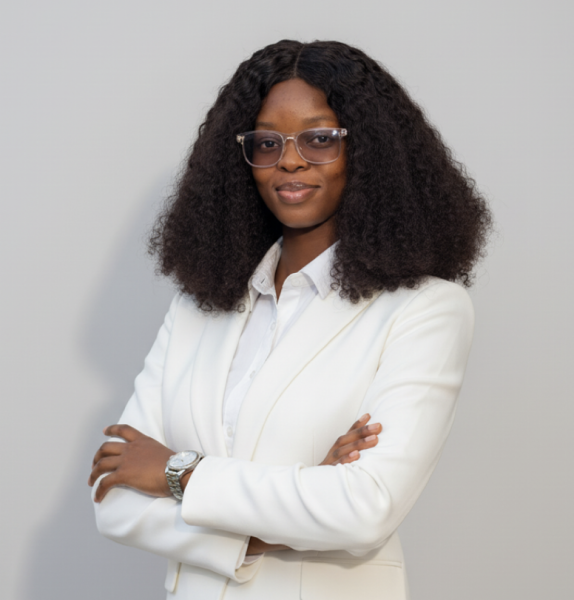
Harper Adams University
Christianah Oseni is a Doctoral Researcher at Harper Adams University, UK, focused on advancing sustainable agriculture and climate-resilient farming systems. Her research explores ways to improve wheat resilience and productivity through genetic and physiological approaches to carbohydrate metabolism, in collaboration with the John Innes Centre and the Morley Agricultural Foundation. She completed an MPhil with Distinction at the University of Cambridge as a Mastercard Foundation Scholar and holds a First-Class Bachelor’s degree from Obafemi Awolowo University, Nigeria. Her experience spans IITA and NIAB, covering plant breeding, molecular genetics, and field experimentation, including work on drought-tolerant maize and wheat improvement. She is committed to translating research into practical solutions for climate-resilient food systems.
Society membership provides an opportunity to engage with and connect with professionals across the agricultural sector, while gaining insight into how research links with practical agricultural systems. As a researcher working on crop improvement, interacting with growers, consultants, and industry professionals helps broaden my understanding of the challenges and opportunities within modern agriculture, and how scientific research can contribute to real-world solutions.
In the next 5–10 years, I see myself contributing to crop improvement and agricultural innovation through research that supports sustainable and climate-resilient farming systems. I hope to work at the interface between scientific discovery and practical application, collaborating with researchers, breeders, and industry stakeholders to develop solutions that improve crop productivity, resilience, and food security. I also hope to establish my own farm and contribute to developing the next generation through teaching and mentorship.
Membership offers valuable opportunities build connections across research, industry, and the wider agricultural community, which is essential for turning scientific knowledge into practical impact. The biggest benefit to me is the opportunity to engage with professionals from different areas of agriculture and gain a broader understanding of sector priorities, challenges, and innovation needs. This will help me develop not only as a researcher, but also as someone who wants to contribute meaningfully to the future of agriculture.
I aim to attend Society events whenever possible, particularly those focused on agricultural innovation, crop science, and sustainable food systems. I see these events as valuable opportunities to learn from experienced professionals, stay informed about developments in the sector, and build meaningful professional networks.
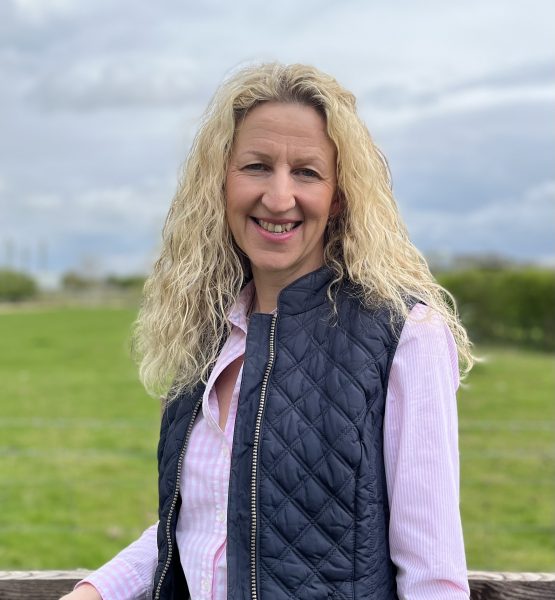
National Association of Agricultural Contractors (NAAC)
Jill is the Chief Executive of the National Association of Agricultural Contractors (NAAC) and has dedicated over twenty years to the organisation. Her passion for farming drives her commitment to influencing the industry and advocating for agricultural contractors, while providing information, advice and promotion to the sector.
Safety is a top priority for Jill, and she has implemented numerous initiatives to support NAAC members in improving their safety management practices.
Jill grew up on a farm in Lincolnshire, holds a degree in Agriculture and is passionate about all aspects of farming. In 1999, she was awarded a Winston Churchill Memorial Scholarship and, in 2006, completed the SocAg Leadership Development Programme.
Contacts, contacts, contacts! The Society is incredibly useful for networking and meeting people from all sectors of the industry and from across the country, helping to broaden horizons. My involvement in the Leadership Development Programme also helped me considerably.
I will definitely still be working in farming, as I am passionate about the industry. I am currently balancing work with raising my two boys, but as they become more independent I would like to continue in a senior role within the industry while also giving something back.
I am a Professional Member of the Society, which provides an additional focus on CPD and personal development. This is something that can easily be overlooked when you are self-employed or, as in my case, organising CPD opportunities for others.
Being selected for the Leadership Development Programme has been the biggest benefit of my membership. It gave me a significant boost in confidence and helped shape my career, and since then the Society has continued to provide me with an invaluable professional network and lifelong friendships.
Not as many as I would like, purely due to other commitments. However, I have attended the annual dinner and the John Alliston Memorial Lecture, and I always try to organise an annual reunion for my Society Leadership Programme year group.
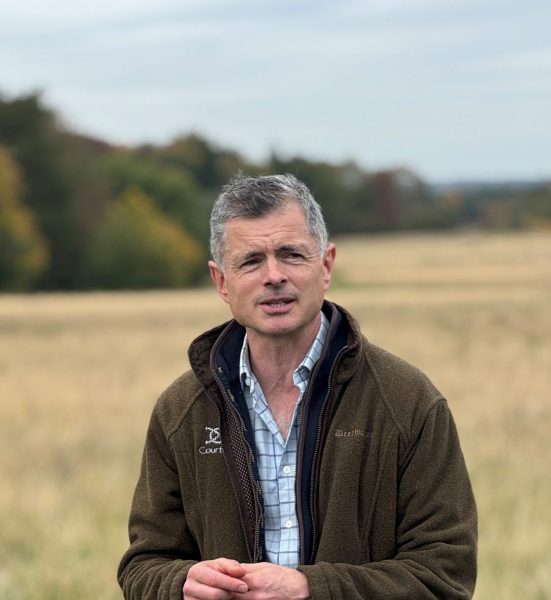
Courteenhall Farms
Dr Johnny Wake DL FRASE ARAgS is the Managing Partner of Courteenhall Estate in South Northamptonshire.
My day job is running our family’s diversified agricultural business at Courteenhall. We are mixed farmers operating a regenerative farming system alongside a large Higher Tier stewardship programme. In addition, we do various types of renewable energy, (most heavily heap pumps and rooftop PV), manage commercial and residential property, and are involved in a number of external agricultural ventures.
Alongside this, I hold several external roles, including chairing the Central England region of the Environmental Farmers Group, being a trustee of LEAF, an ambassador for Wildlife Farms & Estates England, acting as a Deputy Lieutenant for Northamptonshire, chairing two local charities and serving as patron of another.
The Society put me through its Leadership Development Programme, and this has been a gift that keeps on giving. It continues to open doors and provides a constant flow of ideas, insight and expertise. I also find the annual conference particularly valuable for generating new ideas and for meeting interesting and useful people. Finally, the regular information circulated by the Society often contains real gems of practical usefulness.
I see myself being less operational in my day-to-day role in the business and spending more time involved in external roles and wider industry activity.
Two people within the industry strongly encouraged me to take part in the SocAg
Leadership Development Programme in 2018, which led directly to my membership and wider involvement. I regularly attend the National Farm Management Conference, and my membership continues to benefit me by providing a steady stream of ideas, stimulation and valuable professional contacts.
Do it. It will open up opportunities that you may not even have considered. It certainly did for me.
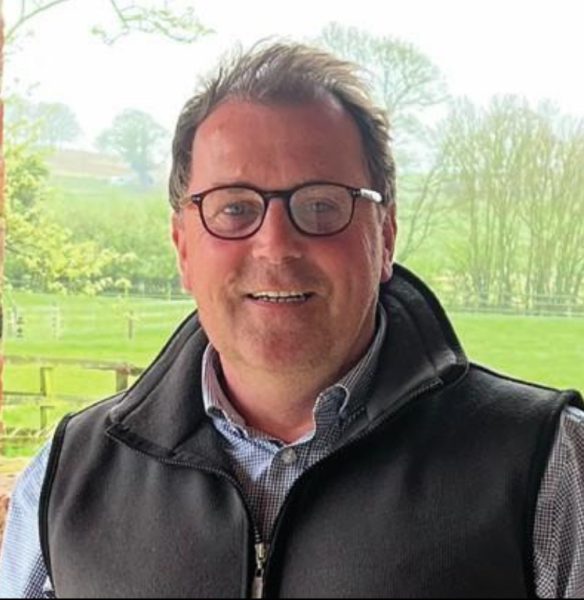
South Ormsby & Walmsgate Estate
A seasoned Estate and Farm Manager with over 20 years of experience at the intersection of large-scale agriculture and conservation. Currently overseeing 2,000 hectares of diverse land on the Lincolnshire Wolds, I manage a complex portfolio including in-hand organic and regenerative farming, tenanted land, woodland, and a robust commercial and residential property portfolio. A pioneer in organic systems since the early 2000s, I am dedicated to driving the industry forward through a commitment to sustainability, wildlife restoration, and high-performance land stewardship and long-term asset value.
For ten years, membership has been my strategic business compass. It provides the expert signposting required to navigate the legislative shifts that directly impact our bottom line. It offers the ‘shield’ of professional guidance for my day-to-day management of our property and farming assets, while providing the ‘megaphone’ I need to project my two decades of organic data as a commercial blueprint for the industry.
The next decade is about moving from following the industry to leading it. My vision is to become the ‘North Star’ for integrated land and business management and its commitment to be that beacon of light in any future role.
Membership provides the intellectual infrastructure to scale my vision. By granting access to high-level peer networks and updated information on a regular basis, the Society allows me to pressure-test my thoughts and model against national standards, turning local knowledge into a scalable industry blueprint.
The greatest benefit is the institutional credibility it lends to my business decisions. Access to a top-tier professional network provides the ‘megaphone’ required to project twenty years of organic expertise onto a national stage. This moves my work beyond mere ‘best practice’ and establishes my management style as the definitive ‘North Star’ for integrated, profitable land stewardship.
Active engagement is central to me personally. Beyond attending the annual national conference with local peers, I prioritize site-specific farm and estate tours to exchange high-level insights with fellow industry pioneers. I supplement these physical events with a schedule of online CPD and digital meetings, ensuring that my business decisions remain informed by the latest global trends and technological innovations.
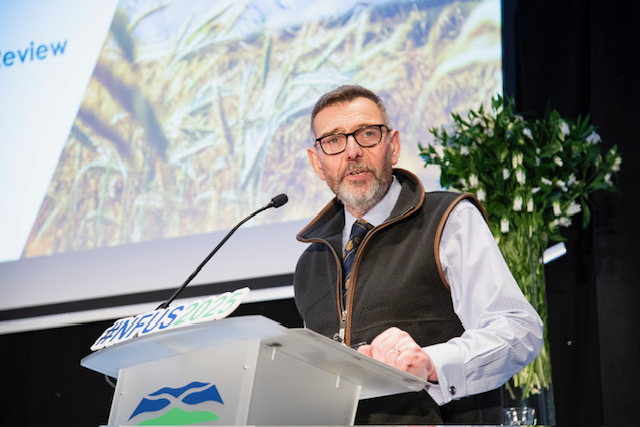
Arthur Rank Centre
Mark Suthern is a highly respected leader in UK agriculture and rural sustainability, with more than 35 years banking experience supporting farmers, landowners, and rural communities. He spent his career with Barclays Plc, ultimately serving as Managing Director and National Head of Agriculture, where he led national strategy across farming, landed estates, and sustainability. He has a portfolio of roles having been the former Chair of FCN for 9 years, for example, Chair of Arthur Rank Centre, NED on the Environment Agency Board, coordinator for St Georges House Food and Farming consultations, and Lay Canon at Lincoln Cathedral.
I have been a member of IAGRM since 2014 and served as a trustee of that organisation for a number of years. When the opportunity arose to help build and shape the Society of Agriculture, I was keen to be actively involved. The principles of Lead, Connect, Grow clearly articulate the vital role the Society can play in supporting individuals, developing the sector, and helping the industry not just survive, but truly thrive.
Having led large businesses for many years, I bring a strong focus on people development, good governance, and the importance of trust and integrity. I aim to provide constructive challenge and balanced perspective, helping the Board maintain clarity of purpose as the Society grows and responds to the headwinds and tailwinds facing rural communities and the wider agricultural sector.
The key priority is ensuring the Society remains relevant and valuable to all its members. This means offering the right level of support, camaraderie, and personal development opportunities that genuinely add value and strengthen the UK agricultural sector.
Make full use of the benefits that the Society of Agriculture offers.
And if you feel there is something missing, or an opportunity we should explore, please let the Trustees know—we want to hear from you.
Hexham & Northern Rural
https://socenv.org.uk/resource/cenv-profile-agricultural-consultant-carol-johnson/?showback=true
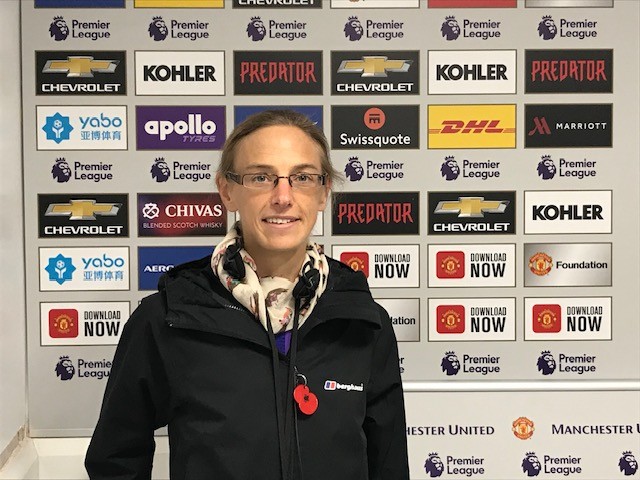
Carol (Caz) Johnson CEnv is an Agricultural Consultant with Hexham and Northern Rural, the chartered surveying and land agency division of Hexham and Northern Marts.
Caz grew up on the family farm in Appleby, Cumbria, spending her first 18 years helping with milking, lambing, clipping, feeding, harvesting and anything else that came along. After graduating from Newcastle University, she worked for the RPA inspections team, carrying out on-farm inspections of livestock, records and land.
At Hexham Auction Mart, she now works with clients across the North East, Cumbria and County Durham. Her specialist areas include the legacy Basic Payment Scheme, Environmental and Countryside Stewardship, SFI, capital grants work, Agricultural Transition and ELMS.
As the agricultural industry becomes increasingly specialised, I am keen to maintain a broad spectrum of knowledge to support my day-to-day role. Society membership is invaluable for personal development, CPD and the wide networking opportunities it provides.
Through my membership, I have been able to achieve Chartered Environmentalist (CEnv) status and was subsequently shortlisted as a finalist in the Recent Newcomer category at the SocEnv 2022 Awards.
The rapidly changing nature of the industry highlights the growing importance of the environmental element of agriculture, which will continue to form an increasing part of my professional role. Having a recognised qualification within the agricultural sector brings additional rigour and credibility to my professional responsibilities.
I want to continue delivering trusted, high-quality and bespoke advice and services to farmers, landowners and fellow professionals within the agricultural community. My aim is to be the ‘go-to’ adviser for my clients.
While aspects of my role—particularly the type of advice delivered—are likely to change significantly, the core of my work will remain the same. I will continue advising progressive, ambitious businesses looking to move forward, while also supporting smaller upland farms that form the backbone of the industry and are central to local communities. This is where my real passion lies.
Future agricultural policy is likely to see some land managed under stewardship-type schemes alongside areas dedicated to production. Farmers will need to navigate both approaches within a changing landscape to secure the best returns and sustain their businesses. In addition, other schemes may support diversification and investment in infrastructure.
The Society will support me by providing access to training and professional development to broaden my skills, alongside regular networking opportunities that help strengthen my communication skills and enhance my industry profile.
I also believe it will become increasingly important to hold a recognised affiliation with a professional body to demonstrate competence and credibility when delivering policy-related advice.
I attend events regularly-both in person and the online.
I really look forward to attending events in person, meeting fellow members whom I have previously only seen online, and continuing these discussions face to face as often as I can. It would be particularly valuable to have a Northern group that meets regularly, helping to form a closer local network and more personal connections.
JMH Farming & Renewables Ltd
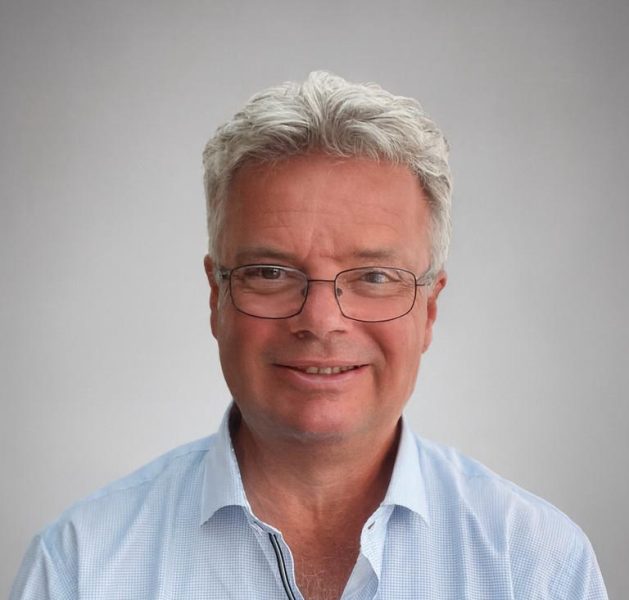
James has been practising as a farm business consultant for over 40 years, specialising in renewable energy and helping farmers and landowners invest in their own on-farm renewable energy projects.
After time as an equity partner with Andersons (The Farm Business Consultants) and later as a director of Savills, he established his own consultancy business in 2004.
I joined the Society in 2004 when I set up on my own. Having previously worked within large consultancy organisations, I was used to having an internal network of colleagues with whom I could discuss ideas and challenges. When I went independent, that network disappeared overnight. The Society provided a diverse professional network through which I could continue to share ideas and experiences.
The events, without doubt. When you are invited to commercially run events, there is often a particular angle or agenda. The Society, on the other hand, focuses on securing the best speakers on the most relevant and pressing issues of the time. These events also provide valuable networking opportunities with people across the industry whom you might not otherwise come into contact with.
CPD is also vitally important, particularly in helping to ensure that farm management and consultancy are recognised as serious and respected professions.
The Society has an important role to play in helping those involved in farming to meet future challenges as they arise, as well as in promoting and demonstrating best practice across the sector. A good example of this is the importance of Chartered Environmentalist status, as environmental management issues will only continue to grow in significance.
Philip Day Agricultural Consultant
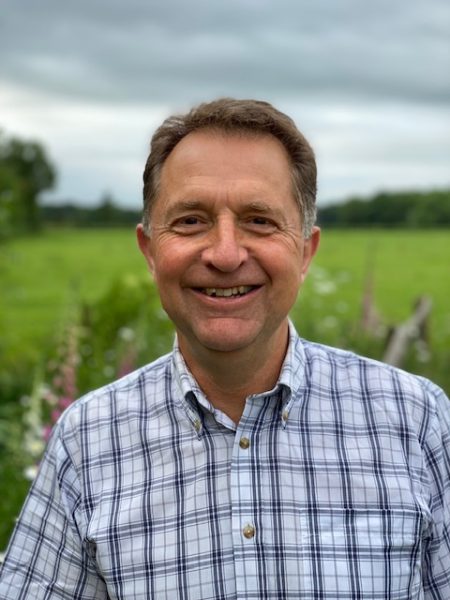
Philip works as an independent farm advisor and consultant after more than more 30 years as a farm manager. His management experience covered both livestock and arable systems in various regions of the UK and included 20 years managing organic units. His core interest is in sustainable and regenerative agricultural systems, particularly organic, which increase resilience in an ever more challenging world. He is based in South Wiltshire.
Since recently moving from practical farm management to working as an independent advisor, being a member of a recognised professional body has given me opportunities to network with like minded people throughout the industry. Access to fellow members for advice and support has been welcome and a recognised professional membership gives validation to my experience and skill set.
Agriculture never stands still so continuing to learn whilst moving towards retirement! Hopefully, I’ll still be practising as an advisor and helping farmers to transition towards a more sustainable, resilient and profitable farming system.
I have been an active member for many years and having access to so many knowledgeable people through meetings, events etc has been invaluable in keeping up to date with current agricultural thinking and expanding my horizons beyond my own farm gate.
The Source, the Society’s weekly publication is also a very useful snapshot of what is happening is terms of new thinking and recent findings.
I have regularly attended branch meetings when I was lucky enough to have an active branch in my area. Now I go to as many national events as possible, usual two or three a year. The farm annual farm walks and fellows’ lunches are always well worth the time and effort.
MorePeople
Member of SocAg and Recruitment Consultant
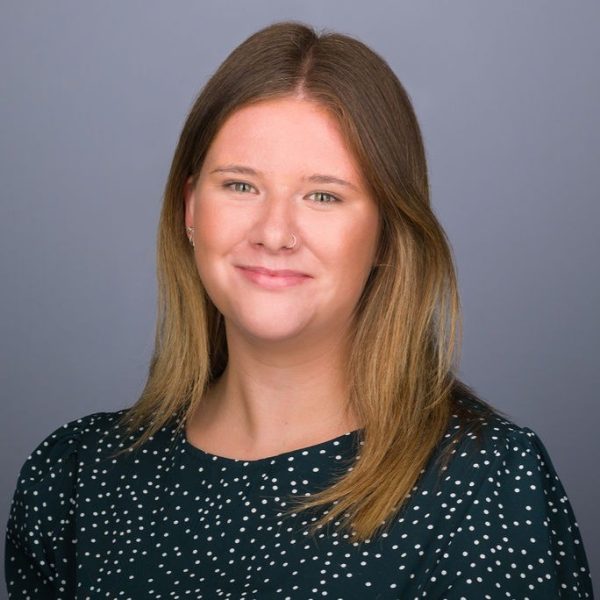
I am a Recruitment Consultant at MorePeople, specialising in recruitment for the food, fresh produce, horticultural, agricultural and rural sectors. I have a background working on multiple farms both in the UK and Australia, and I hold a degree in Politics from Manchester Metropolitan University, where I focused on agricultural policy.
SocAg supports me in my career by providing up-to-date information and industry news. It also gives me the opportunity to extend my professional network and better support both candidates and companies in their recruitment and job searches. Farming can be a complex sector to recruit into, and being a member of the Society gives both candidates and clients confidence that I can be trusted and that I have a strong understanding of, and experience within, the industry.
There is an extensive knowledge base to learn from, alongside access to CPD training and a variety of events throughout the year. Networking opportunities are particularly important in my role, and continuing to build and develop these relationships is fundamental.
In the next five to ten years, I want to be able to look back knowing that I have made the most of the opportunities available to me. I aim to continue my professional development and make full use of the programmes, formal qualifications and opportunities on offer, ensuring that I continue to grow my network and strengthen working relationships across the industry.
I’m extremely grateful to those within SocAg and in my wider network, who have supported, and continued to support me. I hope to be able to do the same for upcoming members over the next few years and beyond too.
As a relatively new member of the Society, having joined in 2024, I am grateful for a membership that allows me to learn, develop and flourish within the industry.
I try to attend as many local meetings as possible, whether branch meetings or farm walks. The annual Conference is always a highlight, with a real buzz around the future of farming shared by members. It is an exciting time for the industry, and making use of the Society’s knowledge base while meeting other members in person is incredibly valuable.
There are plenty of opportunities to become well established in this industry relatively quickly, and utilising memberships such as SocAg is one of the best ways to do so. Knowledge exchange between members at different stages of their careers, along with opportunities to attend branch meetings and farm walks, all contribute to this.
The annual reviews and training programmes also support continuous development and learning. SocAg provides valuable opportunities for both personal and professional growth.
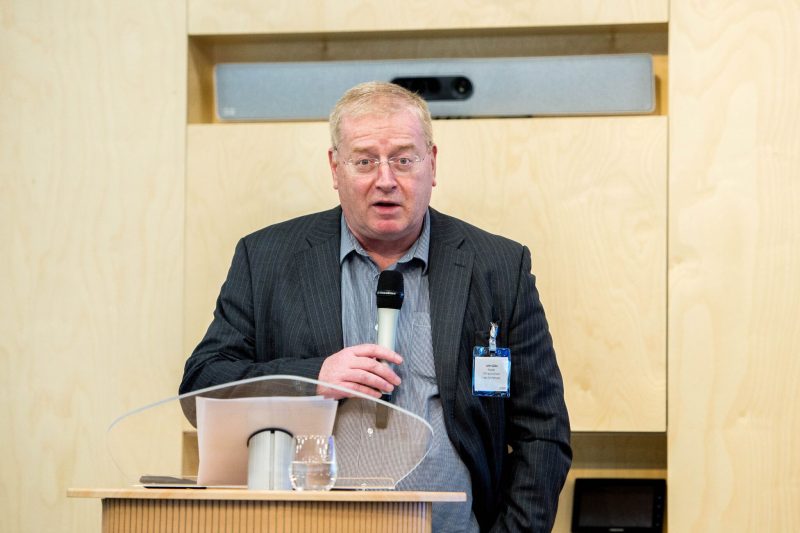
Promar International
A past Chair of IAgrM (now the Society of Agriculture), John is a Divisional Director with Promar International, the agri-food value chain consultancy business owned by Genus plc. He has worked extensively on agri-food marketing assignments throughout the UK and in more than 60 other countries, with clients including government agencies, trade and industry associations and leading UK and international food and drink companies.
He is a Visiting Lecturer at the University of Reading, was the Chair (for 6 years) of the Organising Committee of the City Food & Drink Lecture (held annually in London and organised by eight City-based livery companies involved in the agricultural and food sectors), a member of the Agricultural Economics Society, and the past President of the UK Chartered Institute of Marketing’s Food, Drink and Agriculture Group. He still serves on the National Council and the Thames Valley branch of what is now the Society of Agriculture.
The Society provides me with opportunities to meet like-minded colleagues and offers an excellent forum for discussion of the key topics facing the industry. There is significant credibility to be gained from being an active member of a leading and well-respected professional organisation.
My involvement also allows me to give something back to the industry and to encourage the next generation into the agri-food sector, which I believe is critically important.
Continuing to work for the wellbeing of the industry. But I might well be retired too ! Over the last 20 years, I have had the opportunity to travel widely and gain insight into agriculture and food industries across the UK and around the world, but there are still places to visit and more to learn. And I will, of course, still be supporting Reading FC.
My membership of the Society provides a valuable forum for debate and the opportunity to gather perspectives from people working across the industry, helping me to maintain a broad and informed view of developments within the agri-food sector.
The biggest benefits to me are the events—particularly the annual Conference—the excellent regional events organised by the Thames Valley branch, the networking opportunities they create, and the overall professional credibility that Society membership brings.
I attended most events organised by the Thames Valley branch for around 20 years and always try to attend the National Conference and the National Farm Walk. Events are a central part of what I do and how I do it, combining professional development with the strong sense of fellowship that comes from being actively involved. The Fellows’ Lunch is always particularly enjoyable.
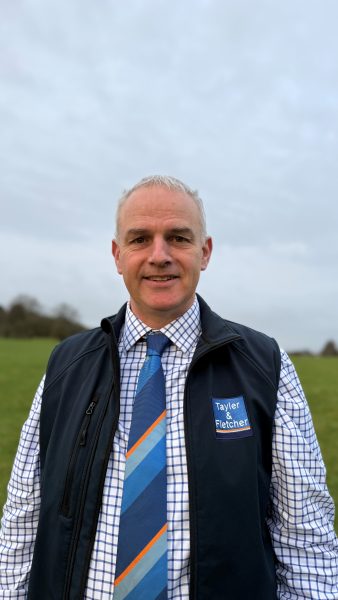
Tayler & Fletcher
Adrian is a Rural Partner of Tayler & Fletcher, a long established firm of Chartered Surveyors, Property Consultants and Auctioneers based in the North Cotswolds. As rural partner he undertakes a wide variety of work for clients including farm management, grant & environmental applications and farmland sales through to valuations and expert witness work.
As a Fellow Adviser, I believe that when working with clients the membership of the Society helps give me a rounded view of what is happening in the industry. It also provides a valuable forum for advancing agricultural management within the industry.
Still a Partner of Tayler & Fletcher but with a larger team as we continue to develop and grow and work within the agricultural industry which will be subject to much change over the coming years!
Within the agricultural industry there will be a growing requirement for professional farmers and advisers and SocAg will be pivotal in supporting farm management and consultancy development. The training that is now being offered by the Society will help to develop the professionalism required.
Throughout my career the Society has been a constant support from when I was a farm worker, then farm manager and through to my current role in consultancy. Membership has given me wonderful networking opportunities to interact with professional farmers and consultants. The online forums provide a great source of online training from my desk, whilst the conferences are invaluable updates.
I try to get to as many of the events, both national and within my region, as they offer great networking and a condensed update on topical subjects allowing me to engage in current issues. The National conferences always delivers quality speakers.
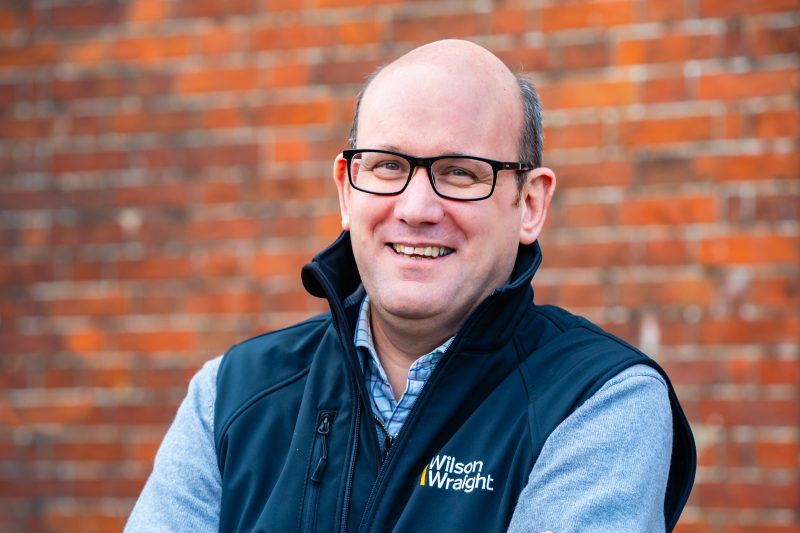
Wilson Wraight LLP
Wilson Wraight
Keith is an experienced Agricultural Business Consultant with 30 years’ service to many businesses largely throughout East Anglia. His work ranges from family focussed farms to landed estates across arable, fresh produce, red meat and dairy sectors. He works with many decision makers to share knowledge and distil objectives with an underlying theme to strengthen profit and loss accounts and build balance sheets. Throughout his time Keith has held various Directorships and Trusteeships within his client’s businesses.
Latterly he has been appointed Managing Partner at Wilson Wraight, so a proportion of his time is spent overseeing a brilliant team of individuals that cover, agricultural, environmental, bookkeeping and planning consultancy services.
How does Society membership help you in your current role?
Membership has proven to provide a great source of professional contacts through its network of members. That is far reaching and goes well beyond me into the wider team at Wilson Wraight; many of whom are members. The team regularly attend conferences, events and training so the Society becomes and important focal point for many colleagues too. We are all stronger together and the ability to share knowledge and experience with like-minded professionals is invaluable.
Where do you see yourself in 5–10 years’ time?
I hope in similar manner to today, continuing to evolve and learn within and for both Wilson Wraight and client’s businesses. There will be a need to continue to adapt and change to seek efficiencies, marginal gains and perhaps for some larger scale change. Change management is never easy but continuing to help both ours and our clients’ businesses through succession planning and business challenges will remain a key motivation.
How will membership help you reach this goal? What is the biggest benefit of membership to you?
I fully anticipate that SocAg will continue to provide a source of knowledge training and support through its network to me and colleagues. There is generally somebody within the membership that has experience to help and usually is prepared to share it. Wilson Wraight have been keen supporters of the professional body over many years and I fully expect that to continue into the future.
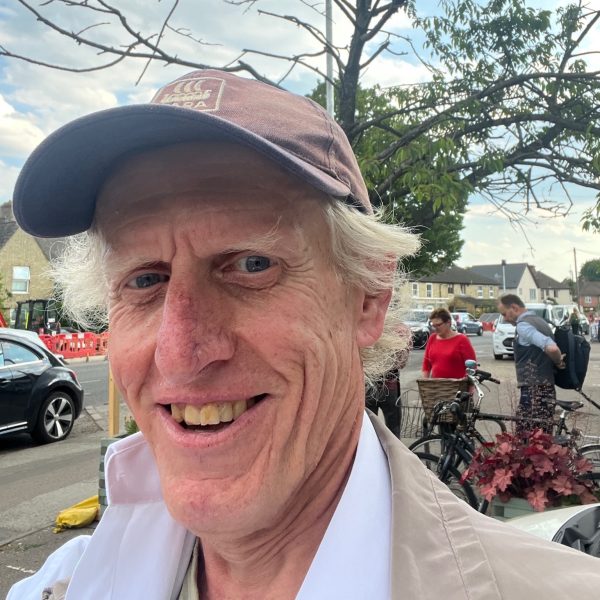
Crop Development Cam Ltd
After working for two years in a variety of roles, Mark trained over 4 years in Agriculture. At the University of Western Australia. For roughly 20 years he then worked in Plant Science (genetics) R&D, including a technically successful project. With the end of that work, he moved to the UK and eventually won a post in the Department of Land Economy (Cambridge). Which was a wonderful niche where, over almost another 20 years, he published www.FarmBusinessSurvey.co.uk and worked on project economics and teaching around UK agriculture.
Gives me security of identity and training with connections.
Hard to say really, post-covid life has been tough.
Networking and connections.
Regularly.
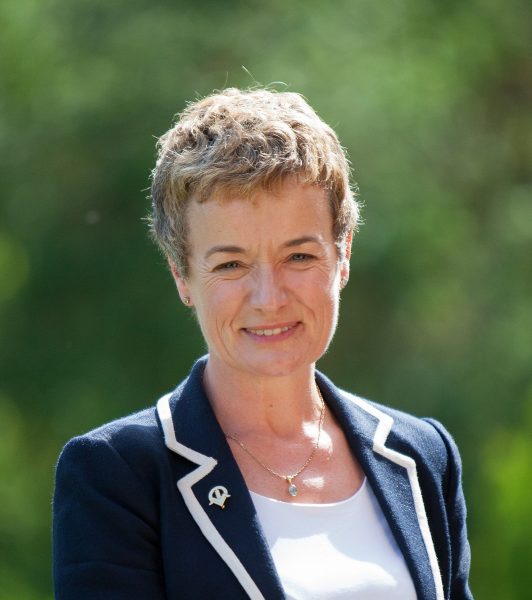
Tellus Natural Capital Ltd
FRICS FAAV ASAg CEnv
Managing Director, Tellus Natural Capital Ltd https://socenv.org.uk/resource/registrant-profile-kate-russell-cenv-tellus-natural-capital/
I am the co-founder and Managing Director of Tellus Natural Capital Ltd (www.tellusnatcap.com), a specialist consultancy business founded in 2021 to advise landowners and land managers on natural capital, ecosystem services and the opportunities these present for rural land and property management.
I have been an Agricultural Valuer and Chartered Surveyor for more than 30 years, with a varied career path. I spent a decade working in private practice advising farmers and landowners, and also worked in academia as a Lecturer in Rural Estate Management at the Royal Agricultural College (now the Royal Agricultural University).
In 2008, I joined the Central Association of Agricultural Valuers (CAAV) as a Technical and Policy Adviser, representing and briefing around 3,000 Agricultural Valuers across the UK on topics ranging from residential property letting to compulsory purchase and taxation. When I began exploring natural capital and ecosystem services for the CAAV, I found it absolutely fascinating and ultimately that led me to decide to focus on it full time.
A chance conversation with a land agent friend about whether there was a market for a natural capital consultancy business led us to establish Tellus Natural Capital in 2021. It was quite a bold move in hindsight, because we had no clients and there barely any functioning natural capital markets at the time, but I’m glad we took the risk!
Growing up in a rural community, I was always interested in nature, but when I began working in rural land management the fundamental importance of the natural environment became very clear. Farmers and landowners depend on it directly in a way that much of society does not.
Everyone working in agriculture or rural property management is aware of how challenging it can be to balance competing demands for land; for me that highlights the importance of identifying the benefits that the environment delivers for society and placing a value on them so they are properly recognised. Some people struggle with the idea of valuing nature, but I believe we have to try to do so in order to better understand what the environment does for us all.
I applied for Chartered Environmentalist (CEnv) status as a way of highlighting this element of my skillset, but I also believe it is vital that we bring farmers and the conservation profession closer together. Too often, different groups focus on what divides them, when it would be far more productive to build consensus around shared goals.
As farmer and author James Rebanks has said: “Every farmer should adopt an ecologist and every ecologist should adopt a farmer.”
When I chose my career, I didn’t know any female land agents and only one female farmer, and inevitably I encountered some sexism in the early years. Thankfully, the industry has changed significantly, with women now holding high-profile roles across agriculture, surveying and environmental management.
Professionally, I have always been interested in negotiating solutions to complex problems, although my natural optimism has been tested at times, particularly when working on large-scale infrastructure projects. Large hierarchical organisations do not always deal easily with individuals, but good communication and treating others with professionalism and courtesy remain essential.
I would strongly encourage others to pursue it as a valuable step in building their knowledge and expertise. Farmers are at the forefront of delivering solutions to the twin climate and biodiversity crises, and we need more farm managers and land managers to develop their skills in environmental land management and have that expertise recognised and rewarded. Farmers are excellent at peer-to-peer learning, so it is vital that we have leaders who can share knowledge and experience across the sector.
Firstly, I hope that in five years’ time Tellus Natural Capital continues to be commercially successful, as that will only happen if we are genuinely helping our clients find ways of working that are environmentally, economically and socially sustainable.
Secondly, I hope that the natural capital markets currently emerging will have matured, enabling me to advise farmers and landowners on a wide range of opportunities where nature restoration and sustainable food production are properly recognised and fairly
rewarded.
Finally, I hope to be playing a role in facilitating better understanding between the conservation profession and the farming industry, helping bring all parties together to address the significant challenges we face.
Contact
📧 kate@tellusnatcap.com
🌐 www.tellusnatcap.com
🔗 LinkedIn: Tellus Natural Capital Ltd
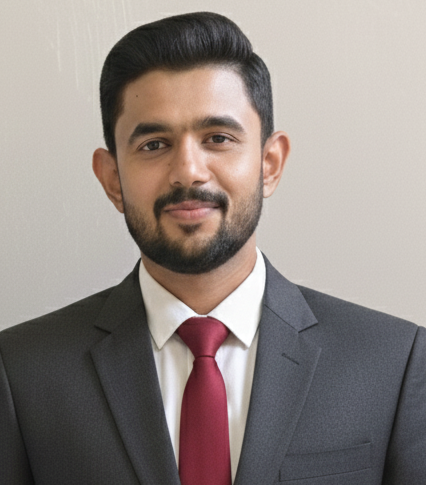
Bristol University
SSAg PhD Researcher, Rothamsted
I am currently pursuing a PhD at the University of Bristol, UK. My academic journey has provided me with a solid foundation in agricultural science and research. SocAg supports my career by offering continuous professional development through workshops, seminars, and access to the latest industry research, keeping me updated with advancements in agricultural management
SocAg membership significantly enhances my effectiveness as a PhD researcher at Rothamsted Research, UK, by providing continuous professional development through workshops and seminars, and access to the latest industry research and publications. The networking opportunities allow me to connect with industry leaders and peers, fostering collaboration and sharing best practices.
Additionally, the support from a network of experts and access to job listings and career resources further aid in my professional growth and career advancement. Overall, SocAg membership equips me with the skills, knowledge, and connections needed to excel in agricultural management.
In 5–10 years, I envision myself as a leading researcher in agricultural science, making significant contributions to sustainable agriculture and food security. Building on my PhD research at Rothamsted, I aim to secure a postdoctoral position where I can deepen my expertise and expand my research portfolio.
I aspire to collaborate with international research institutions and industry partners, translating cutting-edge research into practical solutions for global agricultural challenges. Ultimately, I see myself in a senior research or academic position, mentoring the next generation of scientists and driving innovations that promote sustainable farming practices and environmental stewardship.
I joined SocAg in 2023 (previously IAgrM.) By attending workshops, seminars, and conferences, I can stay updated on industry trends and connect with other professionals. Volunteering for committees and contributing to SocAg publications allows me to actively participate and share my expertise.
The benefits are substantial, including continuous professional development, enhanced networking opportunities, access to the latest research and industry information, and valuable career resources. Additionally, SocAg membership provides a platform for advocacy, skill enhancement, and professional recognition, all of which are crucial for advancing my career in agricultural management.
Joining SocAg is an excellent decision for any young person aspiring to build a successful career in agricultural management. SocAg offers numerous benefits that can significantly enhance your professional growth. You’ll have access to continuous learning opportunities through workshops, seminars, and conferences, keeping you updated with the latest advancements in the field.
The networking opportunities are invaluable, allowing you to connect with industry leaders, researchers, and peers, fostering collaborations that can open doors to new career opportunities. Overall, SocAg membership equips you with the knowledge, skills, and connections needed to excel in the industry.
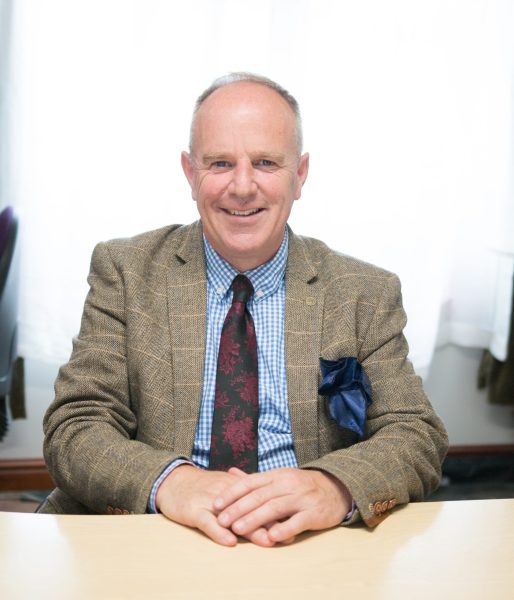
DJM Consulting
David Meredith is the Principal Rural Business Consultant at DJM Consulting, a consultancy firm that he started in 2004. With over 35 years of working for farmers, David is able to draw on his wealth of experience and expertise to the benefit of his clients, colleagues and tribunals. His enthusiasm for all things rural coupled with his gentle approach, grit and determination to succeed for his clients on every task has proved invaluable.
My key driver was to ensure that the Society of Agriculture became more than the sum of its parts. We need to encourage our industry to excel in what we do.
I am a strategic consultant, with a breadth of experience in different parts of our industry, from upland beef and sheep farmer’s son from mid Wales; agricultural extension adviser for government in the east; former director in an insurance broker, buying group and land agency firm; director of own consultancy business in Shropshire. In spare time I run the family farm !
I am passionate about farming, quality advice and helping the next generation to succeed and thrive, I believe the Society of Agriculture has a great opportunity to do these things and more.
If you are involved in agriculture and you wish to develop your career – join the Society of Agriculture.
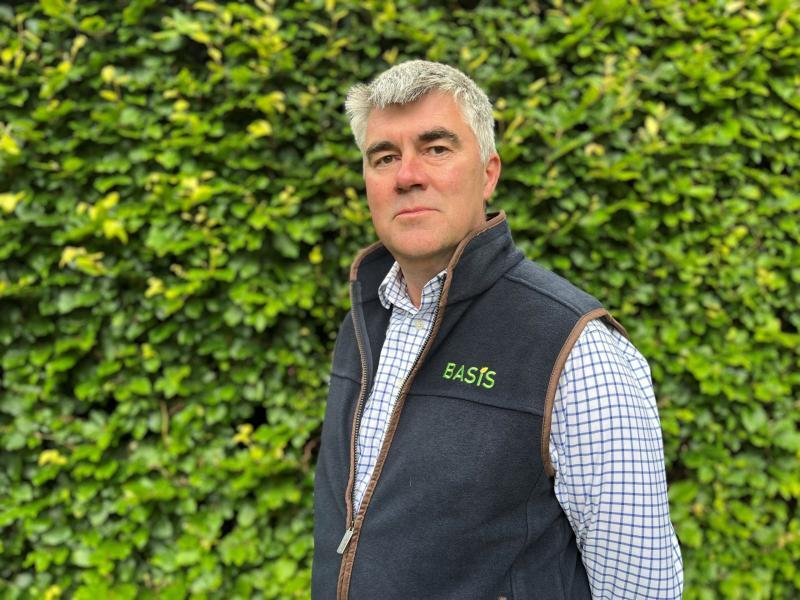
BASIS (Registration) Ltd
Starting out as a tractor, combine and crop sprayer operator, Harry worked for Rothamsted Research, becoming farm manager at Monsanto Cambridge. From there he took a role with John Deere UK Ltd as a Crop Systems Specialist involved in technical dealer sales support and training in combine harvester, crop sprayer and precision technology products. In 2013 Harry joined AHDB as a regional manager for the North of England and is now a Knowledge Exchange Manager with a focus technical knowledge exchange, mechanisation economics, soil management and technology uptake. Since 2023, Harry now heads up the Education team at BASIS, overseeing training, syllabus development, membership and registration.
I’m a relative newcomer to the Society. I felt I fell between the two former organisations, not being a farm manager or agricultural consultant. But in its new form, I signed up straight away. I’m hoping it allows networking with fellow members across the country, picking up new trends, ideas and training opportunities.
Still involved in encouraging agriculturalists to think about their opportunities to learn, grow and develop their own thoughts and ideas for use in their daily working life. I often aim to apply some perspective, if it’s the weather or policy, we can usually say ‘we’ve been here before, what did we do then? And what can we do now, knowing what we know?’
Contact, and perhaps a grounding in today’s agricultural industry, the trends in policy, technology, education and demands form the consumer and our collective responsibility to our environment. I’m looking forward to exploring training opportunities.
Not enough! My diary is normally working 3 to 4 months ahead of time, meaning I need to book events early. I’m thankful the Society of Agriculture sets meeting and event dates well into the future, so there’s no excuse to not get involved.
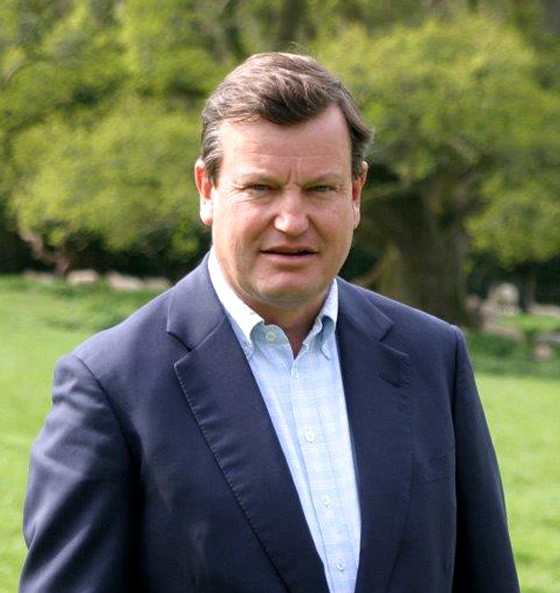
Velcourt Ltd
James was appointed Velcourt’s Group Chief Executive in 1991 and Chairman in 2013 having first joined the company back in 1978. His responsibilities include corporate governance, strategic leadership and support , product marketing and shareholder relations. The main enterprises on his family farm in Dorset are 2500 cows in milk, an AD plant and an arable enterprise : Velcourt manage the operation. James is also Chairman of Grosvenor Farms Ltd and in the recent past has contributed to the industry as a member of the Agri Tech Leadership Council , a Governor of the RAU and as the Prime Minister’s Trade Ambassador for the UK’s food and farming sector.
Membership has provided an excellent opportunity for me to meet with many others working at the sharp end of the farming industry .
My hope is that I can , in some capacity , continue to provide others with the benefit of my commercial experience .
The Society provides a means for me to maintain a close link with the wider industry.
Unfortunately infrequently as much as I would like to attend more : there are some excellent and very relevant events which I would hope I can participate in if the diary permits.
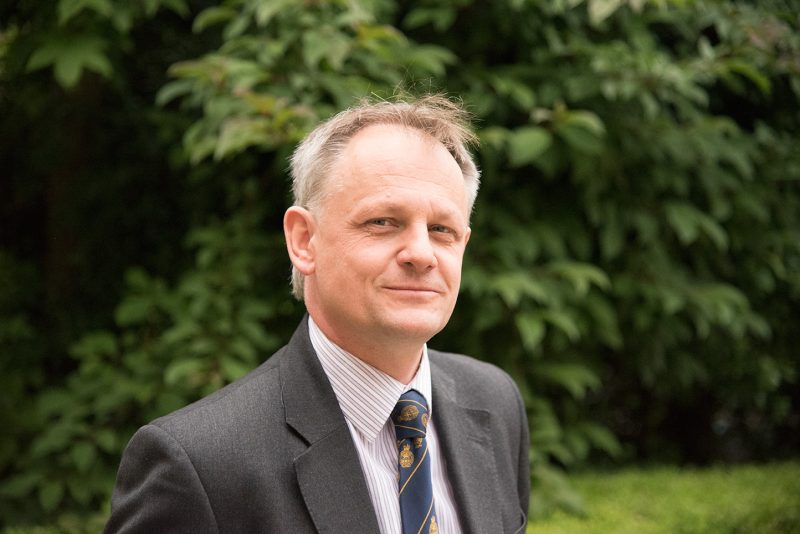
Elveden Farms Ltd
Andrew is a Fellow practitioner of the Society and Managing Director for the 9,000ha Elveden Farms in Suffolk where he is responsible for the management and development of a rural business comprising 4,000ha farmed in hand, 2,600ha of woodland, 2,000ha environmentally sensitive heathland, 300ha let farms, as well as a significant number of diverse enterprises, including two pubs and a farm shop/restaurant.
My current duties are many and varied including all aspects of managing the estate and acting as the estate’s ambassador. I am also involved in a number of other organisations, including the NFU and the Worshipful Company of Farmers.
I have been a member of the Society for over 30 years. I find membership is invaluable as it provides me with access to a network of like-minded and open-minded people who I can bounce ideas off, can learn from and rely on.
I hope to still be driving the Elveden business forward and ensuring that farming is recognised and appreciated by society for its true worth. Agriculture must continue to work harder to promote the excellent work that farmers do, both producing high quality food and protecting and enhancing the environment.
I believe members of the Society can be influential in this. After all, who is better placed and resourced than the highly professional members of the Society?
I always attend the fantastic annual National Farm Management Conference and get to as many regional and national events as I can as they are excellent opportunities to learn from others, to share challenges and to help provide solutions.
Membership is as important to me now as when I first joined as a young, inexperienced manager because you never stop learning and can learn something from anyone.
Membership has assisted me in my career and given me the opportunity for personal development. It has given me confidence and some exceptional contacts in the industry.

©2026 Society of Agriculture. All rights reserved
Charitable Incorporated Organisation Registration Number 1212403
VAT Registration Number 504 4990 89
Site by Nebula Design