
“The countryside is not somewhere to dump rubbish because nobody is watching. The people who live and work there should not be expected to absorb the cost of other people’s criminal behaviour. Rural communities deserve better than that”, Kirstie Allsopp (Breaking the Cycle, June 2026, page 1).
Rural England is facing a growing challenge from fly‑tipping and wider waste crime. Between April 2024 and March 2025, local authorities recorded 1.26 million fly‑tipping incidents in England, a 9% rise on the previous year; while the Environmental Services Association has estimated that waste crime costs the economy more than £1 billion annually. Yet these figures exclude the incidents and costs faced by private landowners, where much of the rural impact falls. Surveys have highlighted the scale of the problem: with many farmers and landowners reporting repeated dumping. Indeed, individual clean‑ups often cost £1,000–£10,000 per incident, with some rural dwellers facing tens of thousands of pounds in cumulative losses. Rising disposal costs and the increasing involvement of organised criminal networks are driving both the frequency and complexity of the problem, leaving rural communities and businesses exposed not just to financial losses but environmental damage and biosecurity risks. While enforcement bodies are taking action — from shutting down illegal waste sites to increasing enforcement and rolling out digital waste tracking — there are growing debates about whether current approaches match the scale and nature of the challenge. What are we doing to address rural waste crime — and is it making a difference? Jessica Sellick investigates.
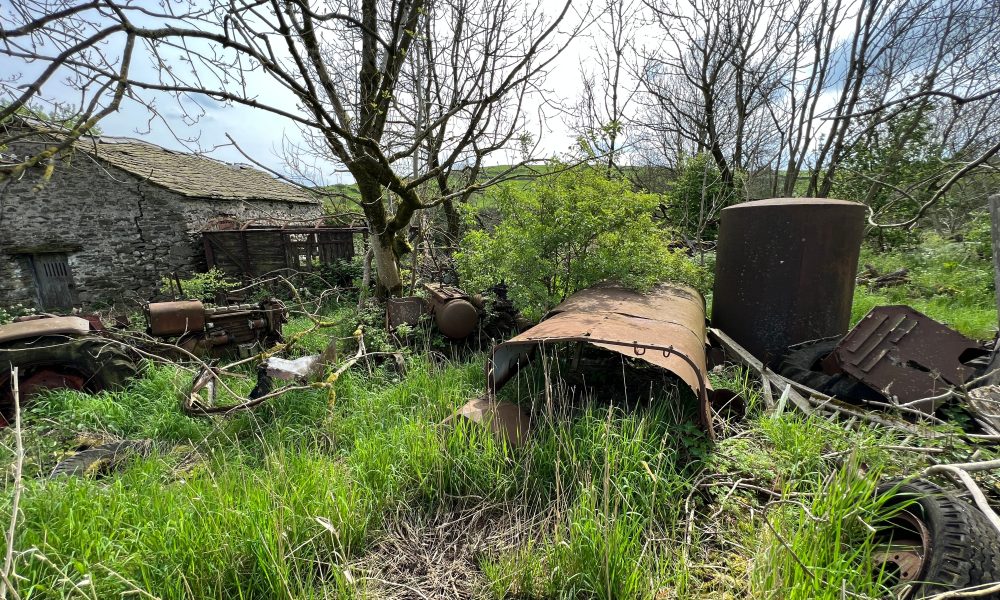
“The fly‑tippers have been back again. Someone has dumped waste over the gate, all behind the hedge and this is the third incident we’ve had this year. It’s beyond a joke now. They turn up in a van and offload rubble — tyres, bricks, plastics, barrels, cardboard. Every time it happens, I’m the one who has to organise the clean‑up and pay for it, which takes time away from the farm and costs money we really can’t afford to spend. How is that fair? I can’t understand why people think it’s acceptable to dump their rubbish in the countryside. It would make a real difference if we could catch whoever is doing it”, farmer, Gloucestershire.