
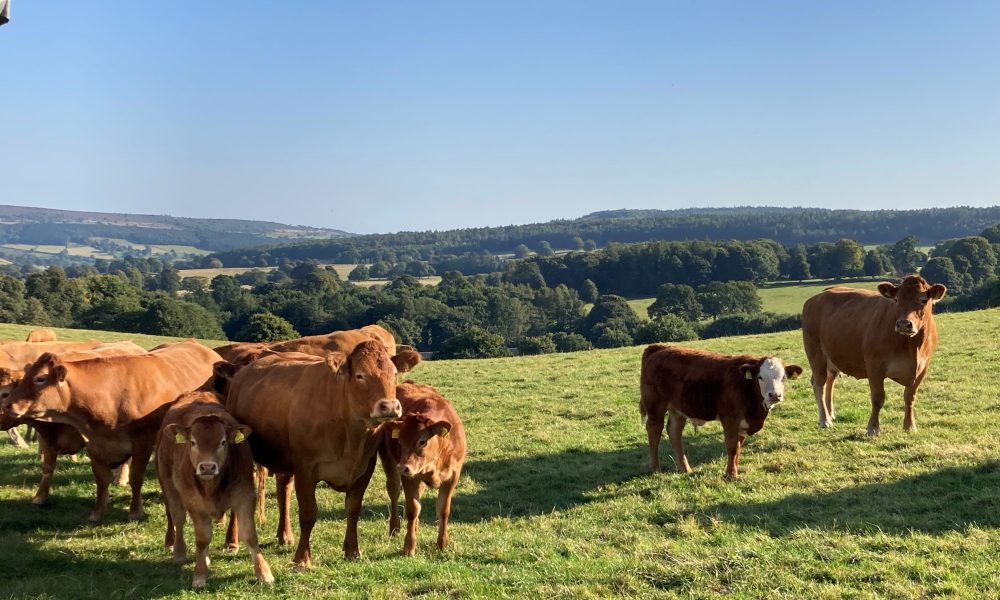
These results blur the preconceptions that UK native breeds are farmed primarily on traditional values passed down through generations. Whilst tradition is still maintained, survey responses from all backgrounds suggest a forward-thinking mentality and emphasis upon using cattle for their utility to provide niche products.
Farm animal genetic resources are defined as “those animal species that are used, or may be used, for the production of food and agriculture, and the populations within each of them.” (fao.org, 2009). What exactly does this mean? In simple terms, they are the genetic sequences which code for our domesticated livestock species globally. These farm animal species are vital for the maintenance of global food security for future generations, and it is vital that genetic diversity is maintained so that we can further adapt our livestock to cope with future demand and environmental change.
In past decades UK cattle breeder preference has leaned towards continental breeds which are generally able to outperform the UK’s native cattle breeds in terms of milk yield for dairy cattle and carcase size and growth rate for beef. These preferences come as a result of market pressures forcing farmers to move towards a small number of cattle breeds in order to compete. Thus, cattle genetic diversity has been rapidly decreasing. This loss of diversity reduces UK cattle farming’s resilience to climate change but also means loss of culturally important breeds. These native cattle could also provide important DNA sequences to cope with external factors such as heat stress and tick-borne diseases. Furthermore, as breeders have been pushed towards highly productive cattle types, many of the hardier, upland breeds have been put at risk. In the past 10 years there has been a surge of research interest into preserving these native livestock breeds, thanks in part to the fantastic work of the Rare Breed Survival Trust.