
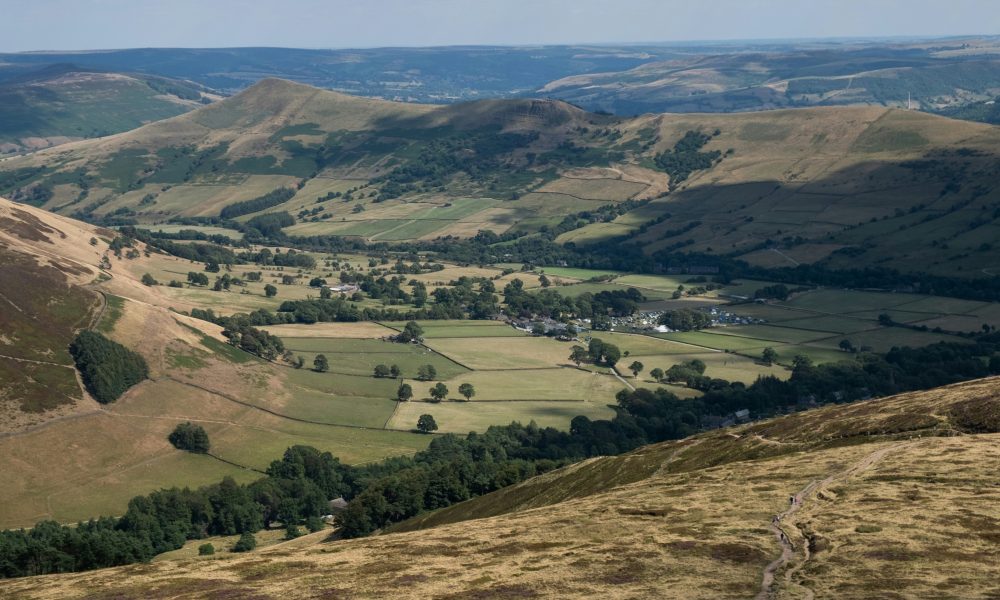
The report advocates for policies that support the multifunctional role of upland sheep farming, recognising it as a provider of food, biodiversity management, cultural heritage, and climate resilience.
This report explores the evolving role of upland sheep farming in addressing the interconnected challenges of food production, nature conservation, climate change, and cultural preservation. Through a Nuffield Farming Scholarship, I conducted an international study tour across 11 countries – including the UK, Chile, Argentina, Japan, and the USA – interviewing 50 farmers and agricultural experts engaged in a wide range of grazing systems. These conversations revealed diverse, innovative approaches to sustainable sheep farming, offering lessons relevant to the future of upland agriculture in the UK.
Key findings highlight that farmers globally are embracing practices such as rotational and conservation grazing, integration with biodiversity goals, and the delivery of public goods services. In the USA, sheep are being used for fire risk reduction, vineyard maintenance, and vegetation management under solar panels – examples of multifunctional land use that combine agricultural output with environmental benefit.