
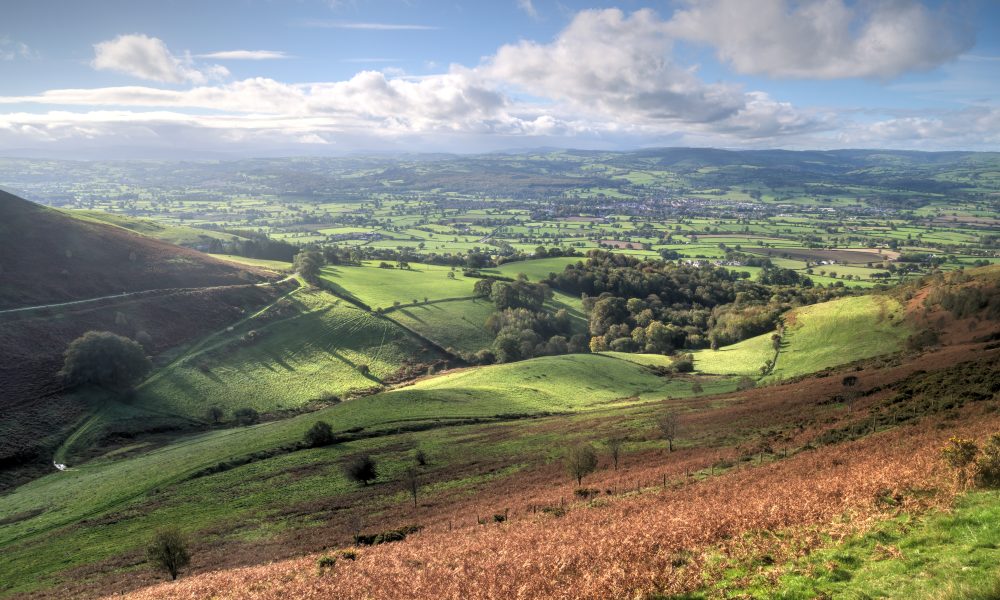
These trends are prompting renewed attention as to how rural areas anticipate and plan for wildfire events, and what this means for land use, local economies and public services. Against this backdrop, some key questions emerge: how should rural areas respond to rising wildfire risk, and what does long‑term resilience require? Jessica Sellick investigates.
Fires have been part of landscape management and maintenance for centuries, and are seen as an essential process in some ecosystems for renewing vegetation or controlling pests. Wildfires, on the other hand, are uncontrolled vegetation fires. They are surprisingly common in the UK, but their scale and visibility have increased in recent years, with incidents recorded across vast swathes of rural England and an unprecedented number in urban locations. Indeed, Fire and Rescue Services report shifts in the timing, location and complexity of the wildfire incidents they are responding to – with data indicating that 2025 saw the largest area burned since systematic monitoring began in 2012. These developments are prompting rural communities, businesses and public bodies to consider how wildfire risk is assessed, planned for and managed. Against this backdrop, key questions emerge: what approach should rural areas take in the face of increasing wildfire risk, and what capabilities, investments and actions are essential for long-term resilience?
What are wildfires and how is the UK risk changing?