
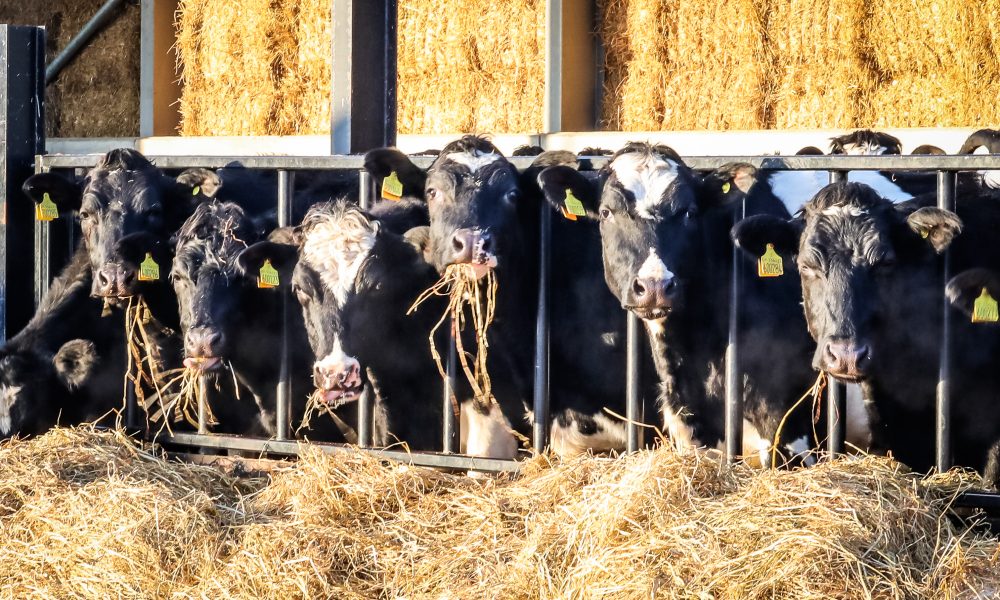
The assessment of animal welfare on commercial farms is essential not only to safeguard the health and wellbeing of production animals and to ensure compliance with legislation, but to also provide assurance to consumers that the meat, milk, and eggs that they consume have been produced to a satisfactory welfare standard.
Animal welfare is multifaceted and cannot be assessed using a single measure, hence why animal welfare assessments are often lengthy, as they incorporate a wide range of measures in order to form a representative reflection of animal welfare. These lengthy assessments are however time consuming, and therefore impractical to implement on farm, with assessors often working within a time constraint of typically 1 hour. Iceberg indicators could offer a solution to this.
Iceberg indicators are described as indicators which provide an overall assessment of animal welfare. Much like the tip of an iceberg conceals the mass of ice below the surface of the water, iceberg indicators could be used to reflect a multitude of underlying welfare issues. The inclusion of iceberg indicators in future welfare assessments could reduce the number of measures that must be assessed. This would reduce the time taken to carry out these assessments, making them more practical on-farm while ensuring a holistic and representative assessment of animal welfare is still achieved.