
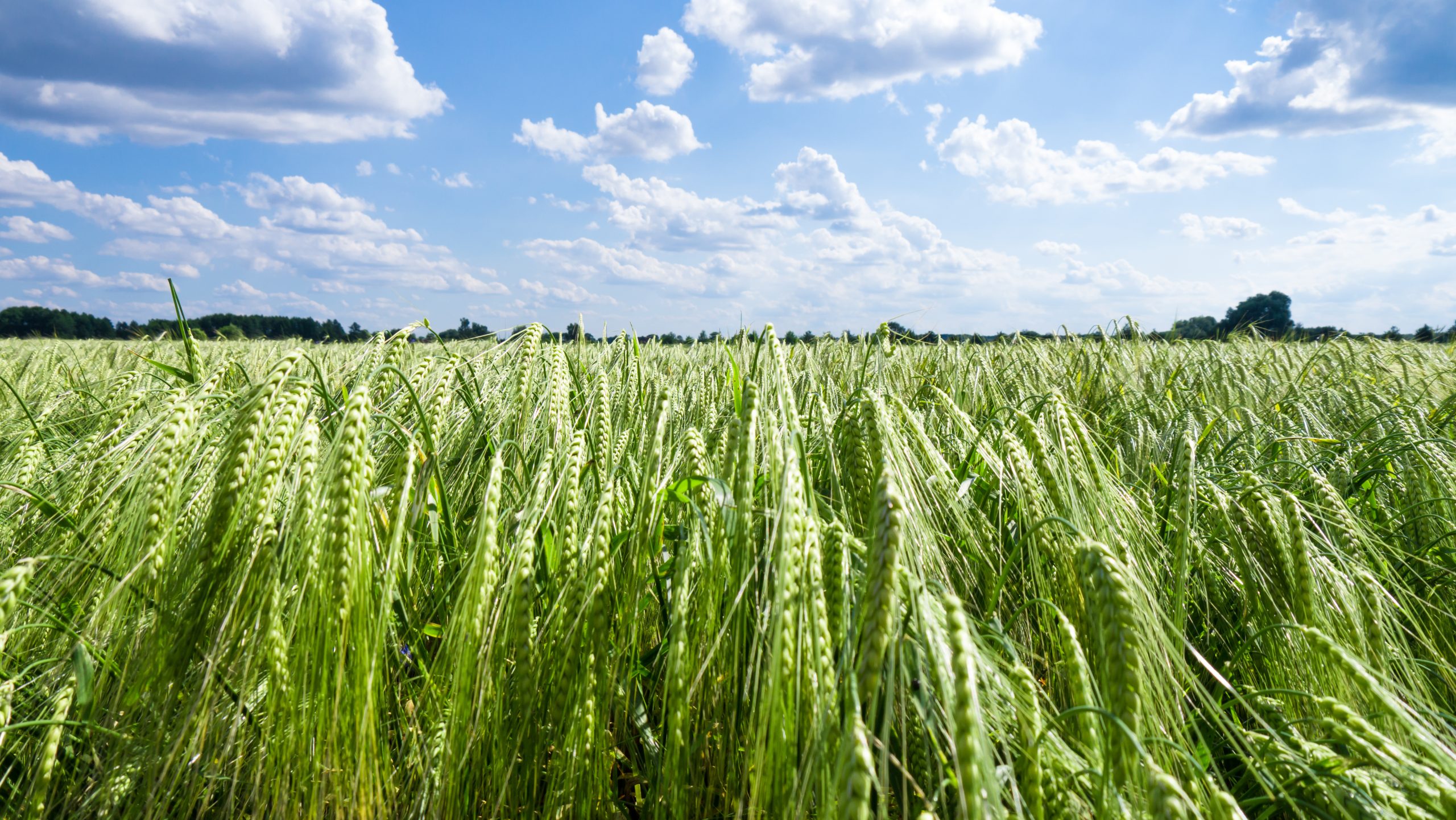
This perspective highlights that climate-driven nutritional deterioration and climate-amplified viral infection converge on shared physiological targets, producing compounded nutritional decline.
Cereals are crucial to global food security, yet their nutritional quality faces a compounding threat from climate change and viral disease. Climate change is degrading the nutritional quality of cereal grains and crop residues mainly through CO2-driven nutrient dilution, heat-abbreviated grain filling, drought-impaired nutrient transport, and reductions in straw protein and mineral content with consequences for both human food and livestock feed.
Major cereal viruses disrupt the same physiological processes that govern grain nutritional quality, namely, photosynthesis, phloem transport, and nitrogen metabolism; however, in addition to their well-documented yield losses, their effects on grain and foliage nutritional quality are rarely measured.