
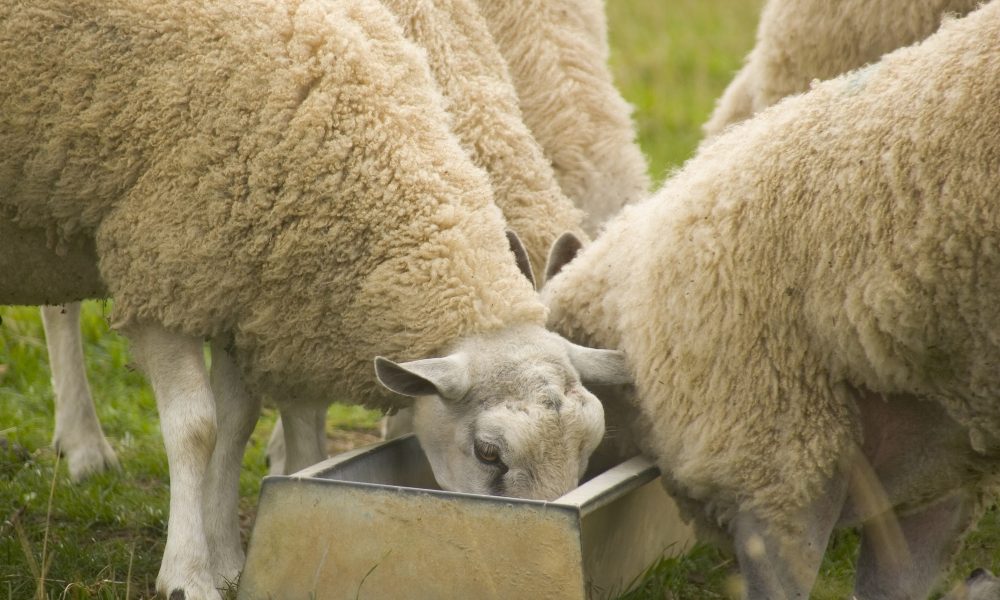
The Forage for CH4nge project – funded by Innovate UK – brought together farmers and scientists in a bid to better understand how traditional breeds and different pastures can help reduce the environmental impact of sheep farming.
Led by local Wensleydale farmer and founding member of SWEF Adrian Thornton-Berry, in collaboration with the Game & Wildlife Conservation Trust (GWCT), UK Agri-Tech Centre, Scotland’s Rural College (SRUC), the National Sheep Association (NSA), and the Yorkshire Agricultural Society, it measured the methane emissions of native Swaledale sheep and half-bred Texel-cross sheep grazing on different forages in the upland landscape.
The study found that the native Swaledale ewes produced less methane than the commercial Texel-crosses, due to their smaller body size. Once you adjusted methane emissions taking that weight difference into account, there was little difference between the two types.