
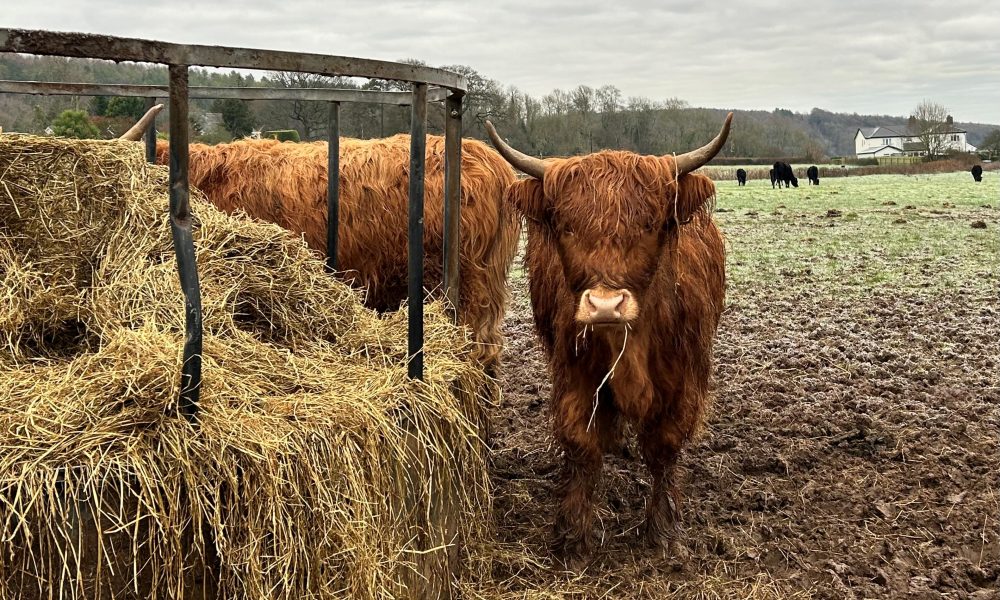
Successful integrated production models have mitigated challenges by harnessing the benefits of ecological intensification and the financial and labour advantages of synergistic production while building cooperation and community of practice.
Conclusion and prospects
When well-managed, ICLS systems can enhance soil health and function, including improvements in water cycling and the retention of C and N. ICLS increase land use efficiency and allow for manure and urine to be recycled on-site, thereby reducing the environmental impacts of these systems compared to conventional decoupled systems. These improvements to soil health and function, including soil C sequestration, can take time and require long-term commitment from the farmers and ranchers. Furthermore, the net benefits of ICLS are strongly dependent on interactions with other farming practices. This spans beyond the inclusion of grazing or pastures, including diversification at multiple scales, as well as biophysical conditions that drive C storage and soil ecosystem functioning in different environments. While ICLS can increase complexity and labor requirements, there are instances where the implementation of ICLS results in direct benefits to profitability through reduced labor and input costs.