
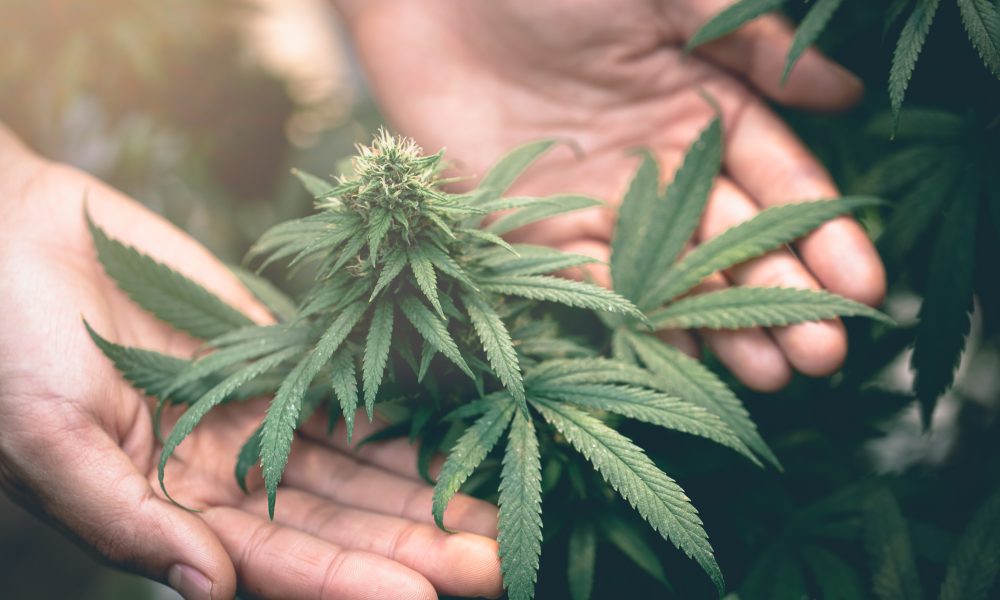
Taking hemp from niche to mainstream requires coordinated effort: farmers, processors, researchers, and government acting together. With the right support, hemp could emerge as a cornerstone of sustainable industry, reducing reliance on petrochemical products and living up to its promise as the ‘new oil’.
Hemp has a long history in the UK. Once mandated by Henry VIII to supply fibre for rope and sails, it was a staple crop across southern England. Today, just 1,000 or so hectares are licensed. Yet its potential is vast: bast fibres for construction and textiles, protein-rich seed for food and feed, and shiv for biobased building. This offers UK farmers a diversification opportunity at a time when traditional break crops like oilseed rape are in decline.
My Nuffield travels took me to the USA, Canada, China, Zimbabwe, and Europe. I found that hemp’s future depends on three interlocking challenges: agronomy, processing, and demand. Modern agronomy is still rebuilding after decades in the shadows. Seed yields are unreliable and while fibre yields are more promising, harvesting and retting introduces risk and complexity. Processors are the next bottleneck: without regional hubs for decortication, straw cannot move beyond the farmgate but most fundamentally, demand is yet to materialise at scale. Farmers are reluctant to grow without buyers, and processors cannot invest without supply – a ‘chicken and egg’ cycle that has kept the crop niche.