
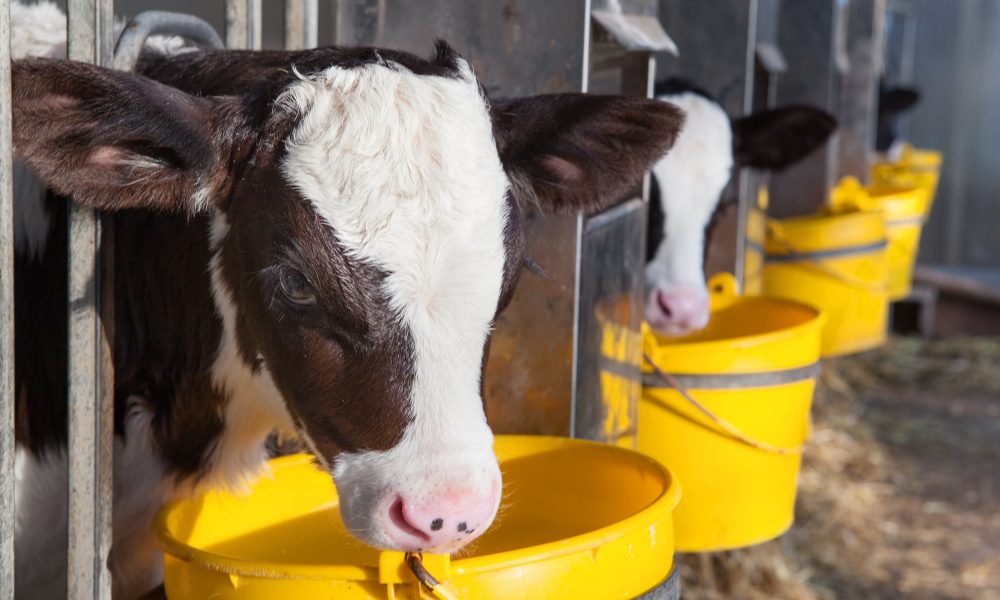
There is evidence to suggest that early separation is one of the most contentious issues amongst the public, with growing concerns about the impact on cow and calf health and welfare from consumers and stakeholders alike.
Proponents of early cow calf separation argue that it reduces separation stress since there is little time for a mother-offspring bond to develop, that there is less risk of pathogen transfer in an artificial calf rearing environment, that it allows farmers to have greater control over the quantity and quality of colostrum consumed by calves (which is important for developing immune function in the neonate calf), it facilitates better management and is more practical on farm, and that it is a pre-requisite for the collection of saleable milk.
However, there is evidence to suggest that early separation is one of the most contentious issues amongst the public, with growing concerns about the impact on cow and calf health and welfare from consumers and stakeholders alike. Increasingly, “naturalness” in farm practices is central to public acceptability of that system and is becoming an increasingly important element of our understanding of what is good animal welfare. This then presents a challenge for the industry. If it is the case that consumers would prefer a more “natural” rearing experience for dairy calves, then why do farmers remove calves from the mother so quickly after birth, what are the benefits, and what are the key obstacles preventing farmers from leaving the calves with the mother for longer?