
Although climate change is already having a negative impact on crops, declines in yields have so far been offset by technological advances in agriculture. For field crops that do not rely on pollinators, however, this trend appears to be reversing.
Researchers at Technical University of Munich TUM analyzed crop yields in Lower Franconia and Upper Bavaria over more than 35 years. For their paper published in the journal Ecology and Evolution, they examined various crops, including wheat, apples and cherries. While wind or self-pollination is sufficient for wheat, fruit trees and some field crops, such as rapeseed, depend on insects. This dependence on pollinators is crucial for crop yields.
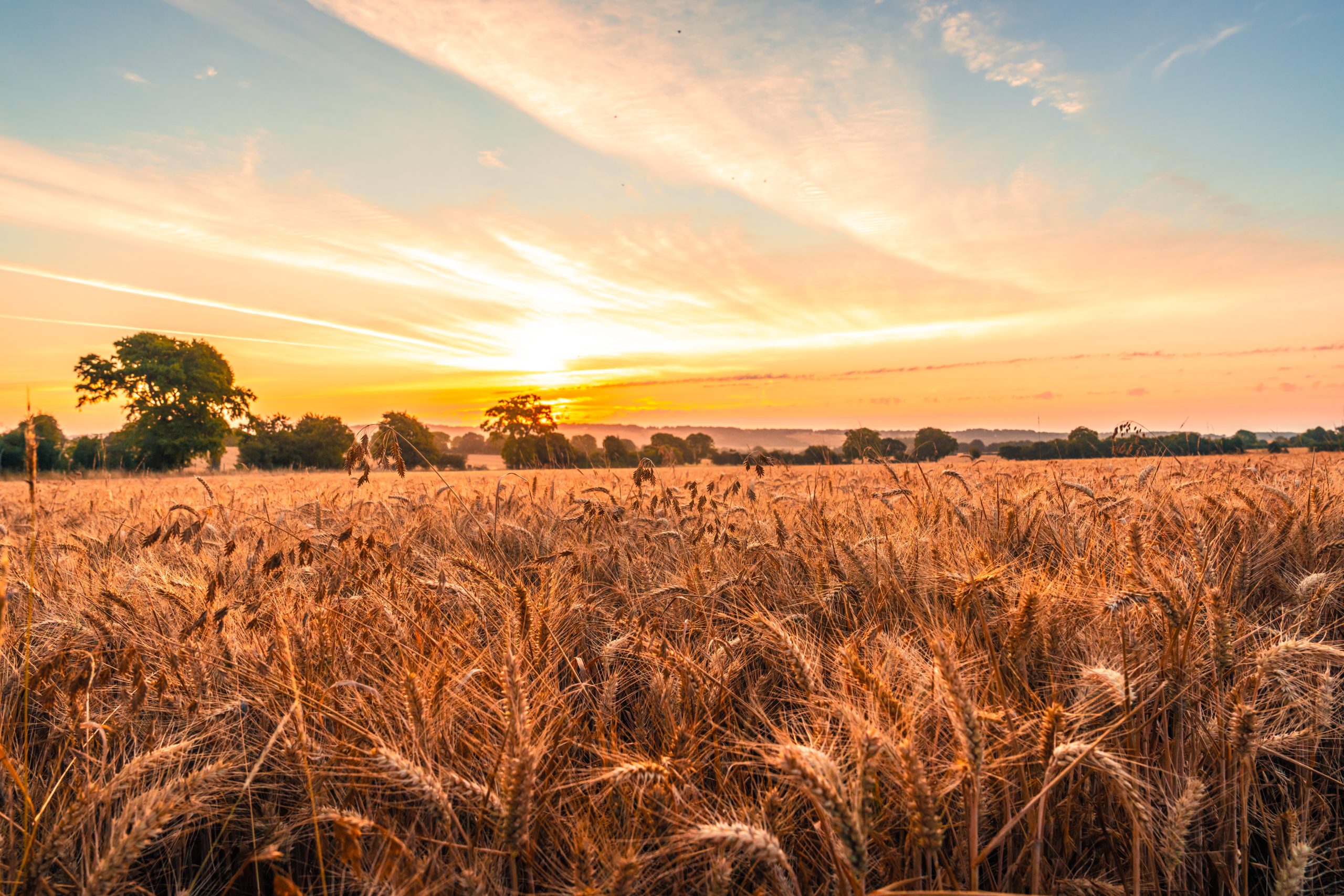
Wheat yields are already falling because temperatures are above their optimal levels. Due to dry soil and hotter conditions, the plants are producing smaller and fewer grains. By contrast, fruit trees have not yet experienced such yield losses. Researchers suspect they have so far benefited from rising temperatures, in part because there is less late-frost damage to their blossoms, allowing them to produce more fruit.