
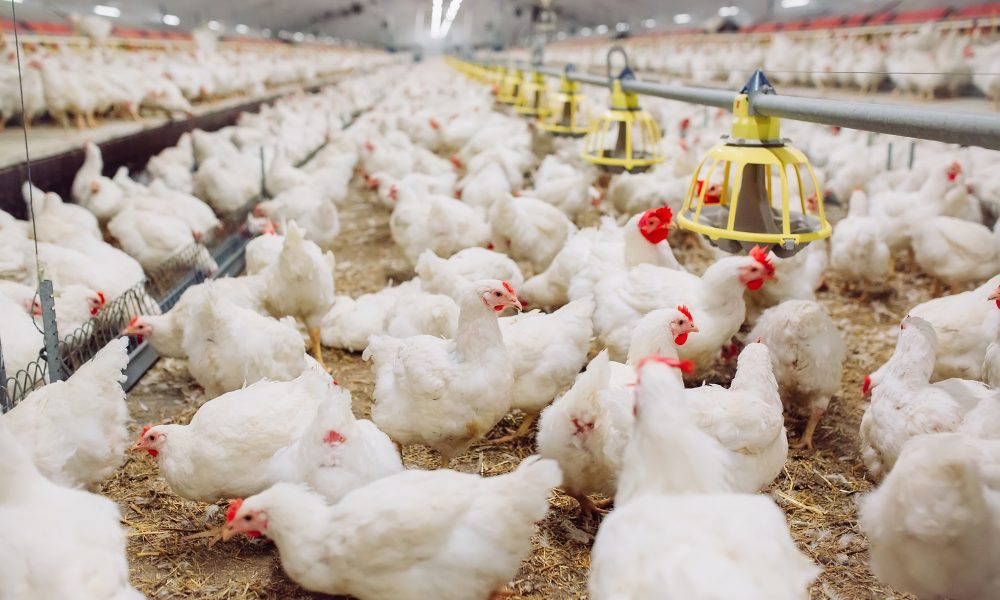
The environmental impact of livestock production can be mitigated by reducing the crude protein of the animal’s diets, particularly poultry, due to their high demand for crude protein.
Food production (crop or animal) is a contributor to the greenhouse effect. Deforestation occurs for cropping to take place, while livestock production generates biological wastes which are detrimental to the environment. Farming is necessary to produce food and the role of livestock is important in sustainable food production and achieving global food security. However, the environmental impact of livestock production can be mitigated by reducing the crude protein of the animal’s diets, particularly poultry, due to their high demand for crude protein.
A high crude protein diet is detrimental to the environment due to the excess nitrogenous waste released into the environment via the faeces of poultry birds. When excess crude protein is fed to birds, the undigested portion is fermented in the caecum, which produces toxic and harmful compounds that may have adverse effects on growth and performance poultry birds. This brings about the need to devise means to reduce the crude protein of poultry feeds, yet maintaining maximum productivity, which are termed reduced-crude protein diets. A reduced-crude protein diet is described as one with increased feed grain (cereal) inclusions but decreased inclusions of protein-rich feedstuffs such as soybean meal; however, selected amino acid targets are met by increased inclusions of non-bound (synthetic, crystalline, feed-grade) amino acids (methionine, lysine, threonine etc).