
Agribusinesses cannot afford to adopt ecological practices out of pure sentimentality. To survive, an ecological intervention must be fundamentally wired to the balance sheet.
In its landmark sector report, Resilience in the field – The evolving business case for sustainable and regenerative agriculture, Barclays observes that the clearest opportunities in sustainable farming emerge where practical changes align with improved efficiency, stronger margins and greater resilience. The report highlights that successful farmers act pragmatically, adapting sustainable frameworks in ways that directly reflect their individual production systems and commercial realities.
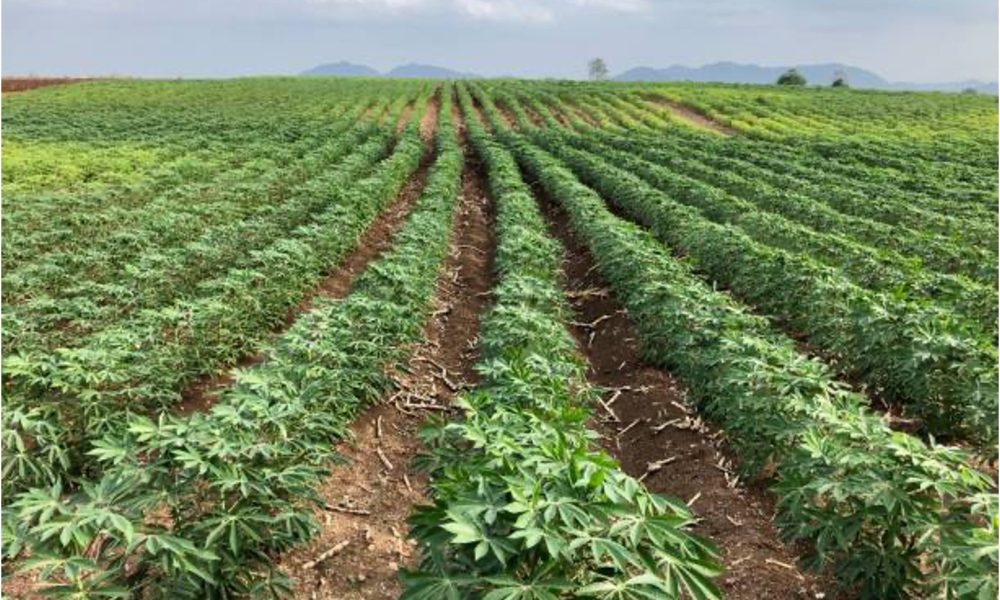
While mainstream conversations surrounding conservation agriculture frequently focus on temperate cereal crops or managed livestock rotations, tropical root and tuber crops – most notably cassava (Manihot esculenta) – offer an exceptional, high impact canvas for this brand of pragmatic sustainability. For an agribusiness navigating the cassava value chain, building true resilience requires an integrated strategy that seamlessly connects field level agronomy with closed loop processing.