
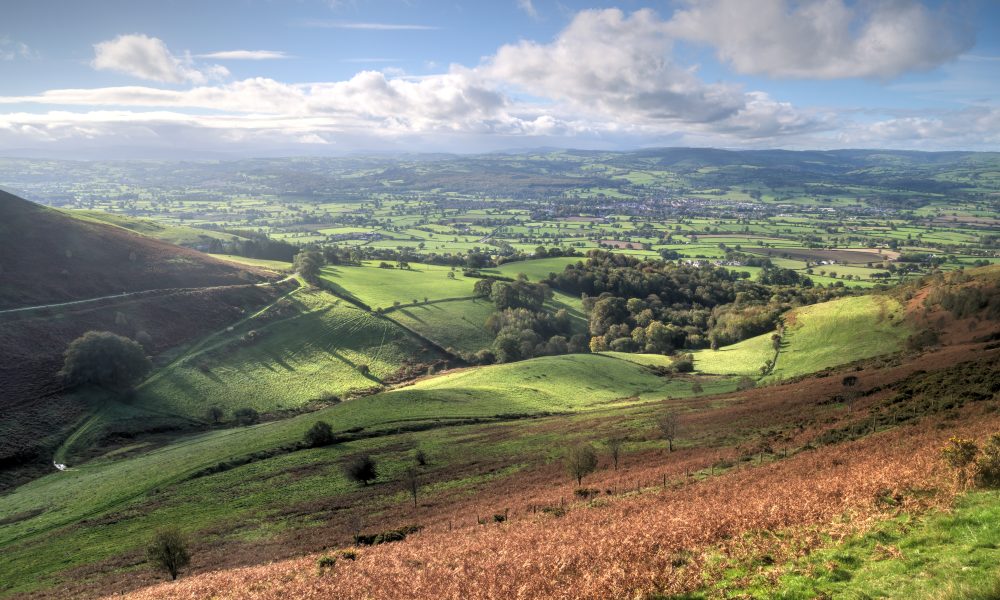
Can they support a thriving, nature positive community?
The UK has been described as “one of the most nature-depleted countries on Earth”. ‘Nature‑based Solutions’ (NbS) are actions to protect, conserve and restore the natural world while simultaneously benefitting society. NbS range from preventing greenhouse gas emissions from peatlands to natural flood management and reforestation with native species. While the UK Government expresses support for NbS in responding to climate change, the Office for Environmental Protection (OEP) has cautioned that declining habitat condition and the spread of invasive species pose challenges to long-term climate resilience. Rural communities are increasingly exposed to more frequent flooding, water scarcity and soil degradation, adding to the growing pressures on land for food, energy, housing and nature recovery. Businesses also face rising operational and financial risks as climate impacts and nature loss disrupt supply chains, increase resource constraints and expose firms to tighter regulation. This situation raises a key question: can NbS support a thriving, nature-positive rural economy – and what does this require? Jessica Sellick investigates
The International Union for the Conservation of Nature (IUCN) founded the concept of Nature-based Solutions (NbS) some 20 years ago, developing a formal definition as “actions to protect, sustainably manage and restore natural and modified ecosystems in ways that address societal challenges effectively and adaptively, to provide both human well-being and biodiversity benefits” – with this definition formally adopted by the United Nations at its fifth Environment Assembly in 2022 (UNEA-5). Regarding projects or initiatives, NbS is described as ‘harnessing the power of ecosystems to benefit people, nature and climate’.