
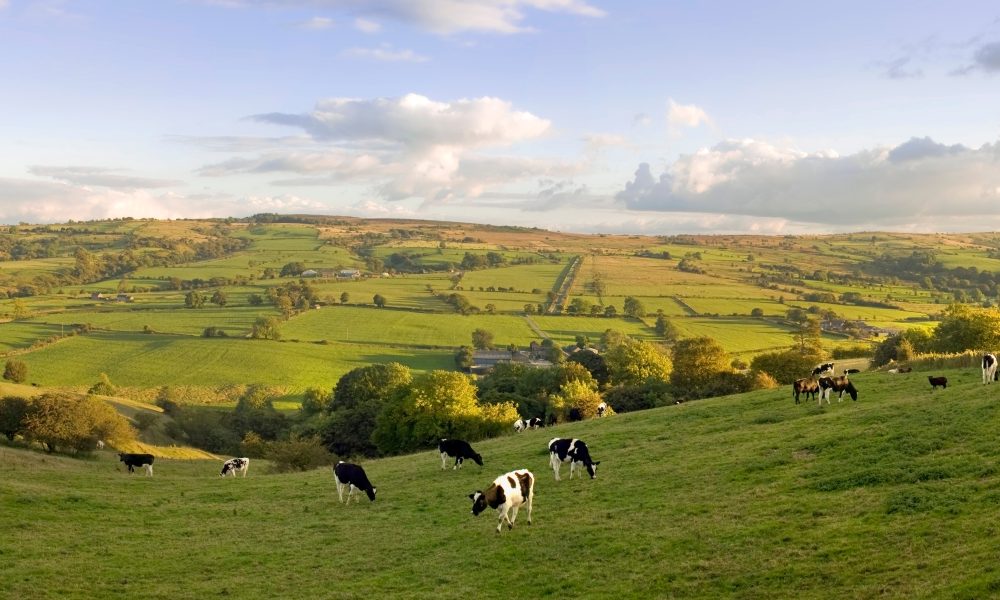
In essence, removing grazers set off a chain reaction: grasses were replaced by shrubs, which in turn changed the soil’s microbial and chemical environment in a way that favoured the breakdown of the most valuable, long-lasting form of soil carbon.
For decades, a common piece of advice for boosting soil health and fighting climate change has been to rest grasslands by removing grazing animals. The thinking is straightforward: less grazing means more plant growth, and more plants should mean more carbon stored in the soil. Many environmental programmes and carbon-credit schemes are built on this very idea. However, groundbreaking research from the UK, published in the prestigious journal Proceedings of the National Academy of Sciences, suggests the reality is far more complex and that this common practice might not be building the kind of long-term soil carbon we’ve been hoping for [1].
Think of your farm’s soil carbon like two different bank accounts. First, you have a “checking account” of carbon. This is the fast-cycling, readily available carbon from recently deceased plants and surface litter. It’s active, important for day-to-day soil life, but it’s also spent and replenished quickly. Then, you have a “savings account”. This is the stable, long-term carbon that’s been locked away for decades, even centuries, by binding to minerals deep in the soil. This is the carbon that truly builds resilient, fertile soils and makes a lasting difference for the climate. The new study reveals that while removing grazers might boost your soil’s carbon checking account, it could be shrinking the all-important savings account at the same time.